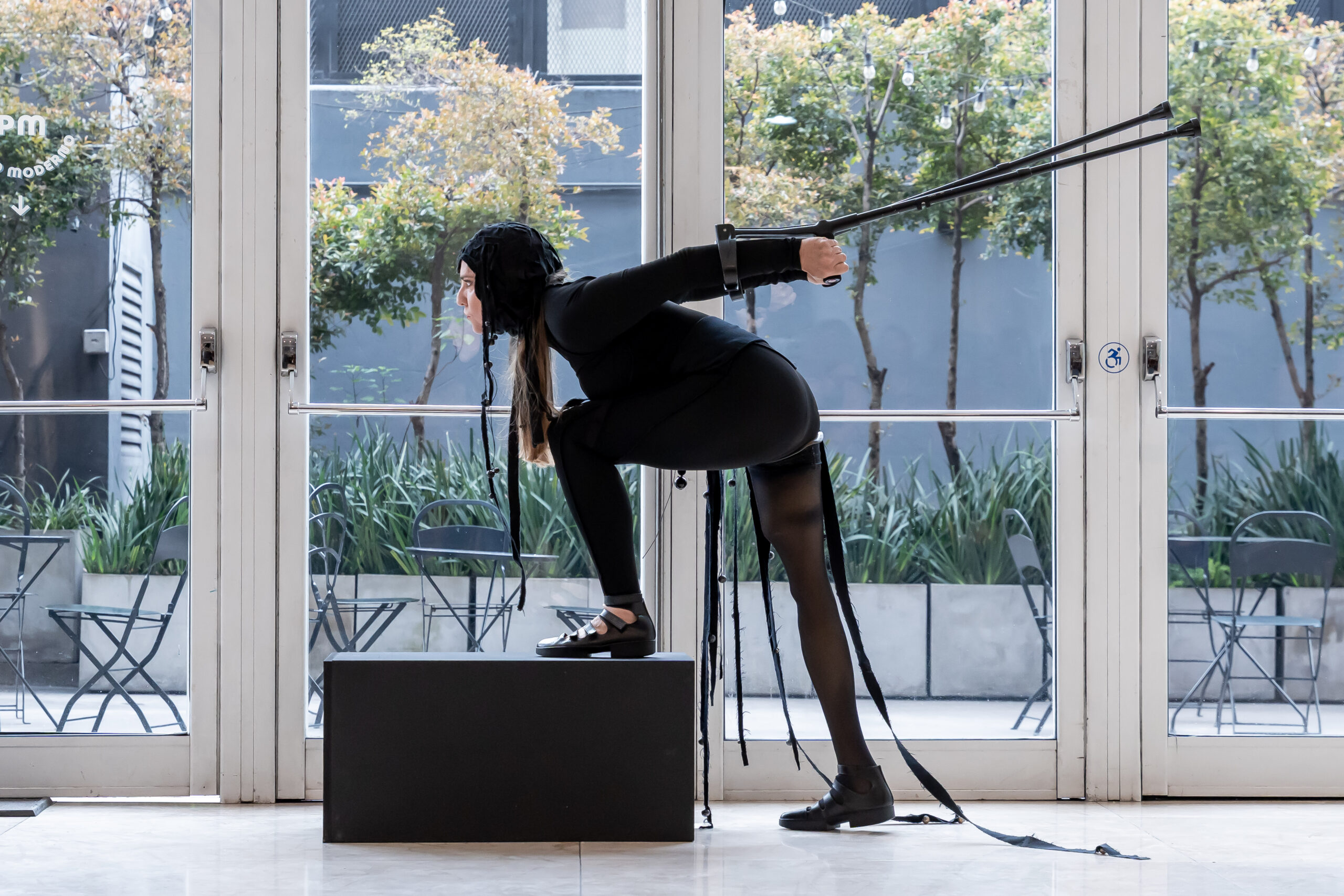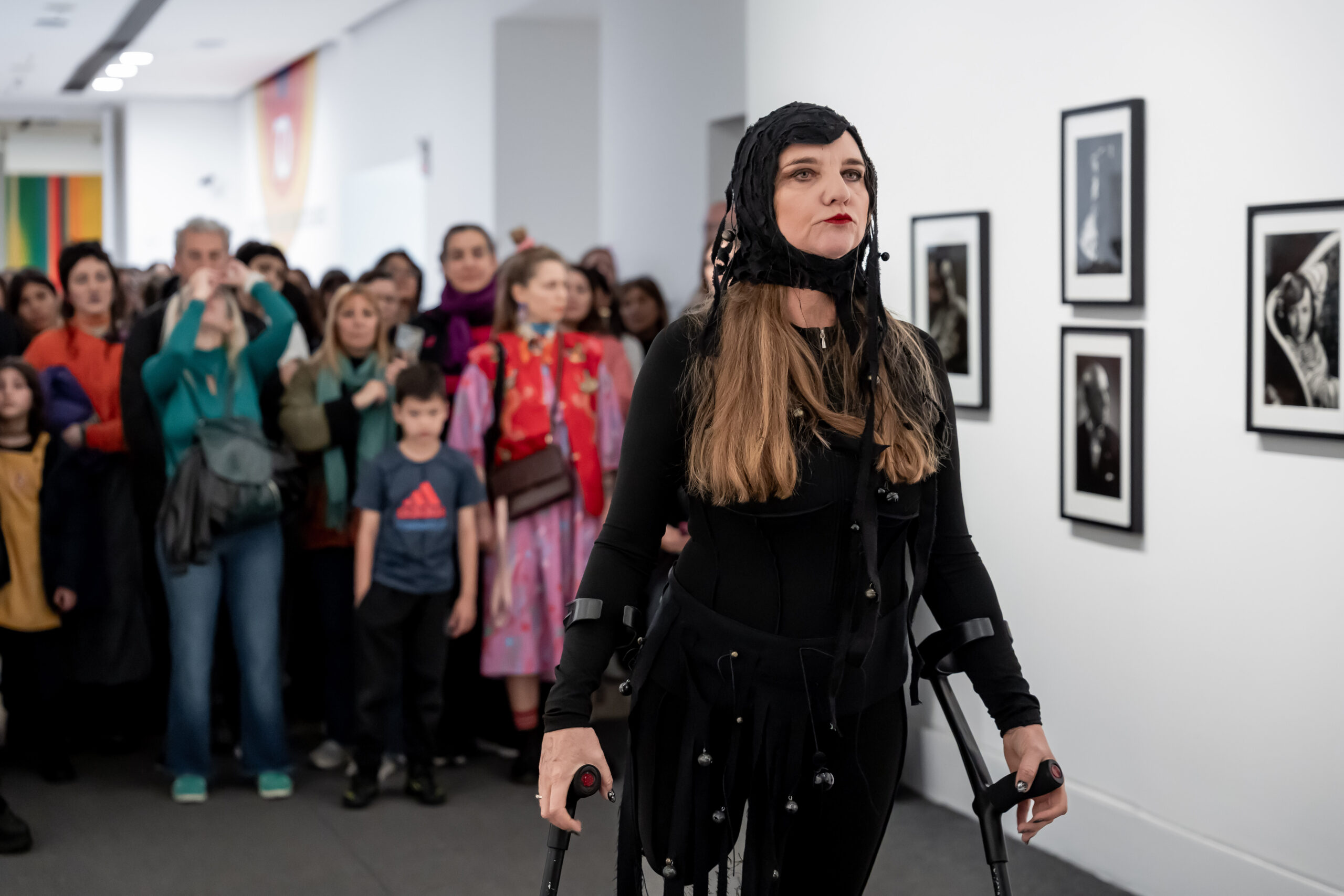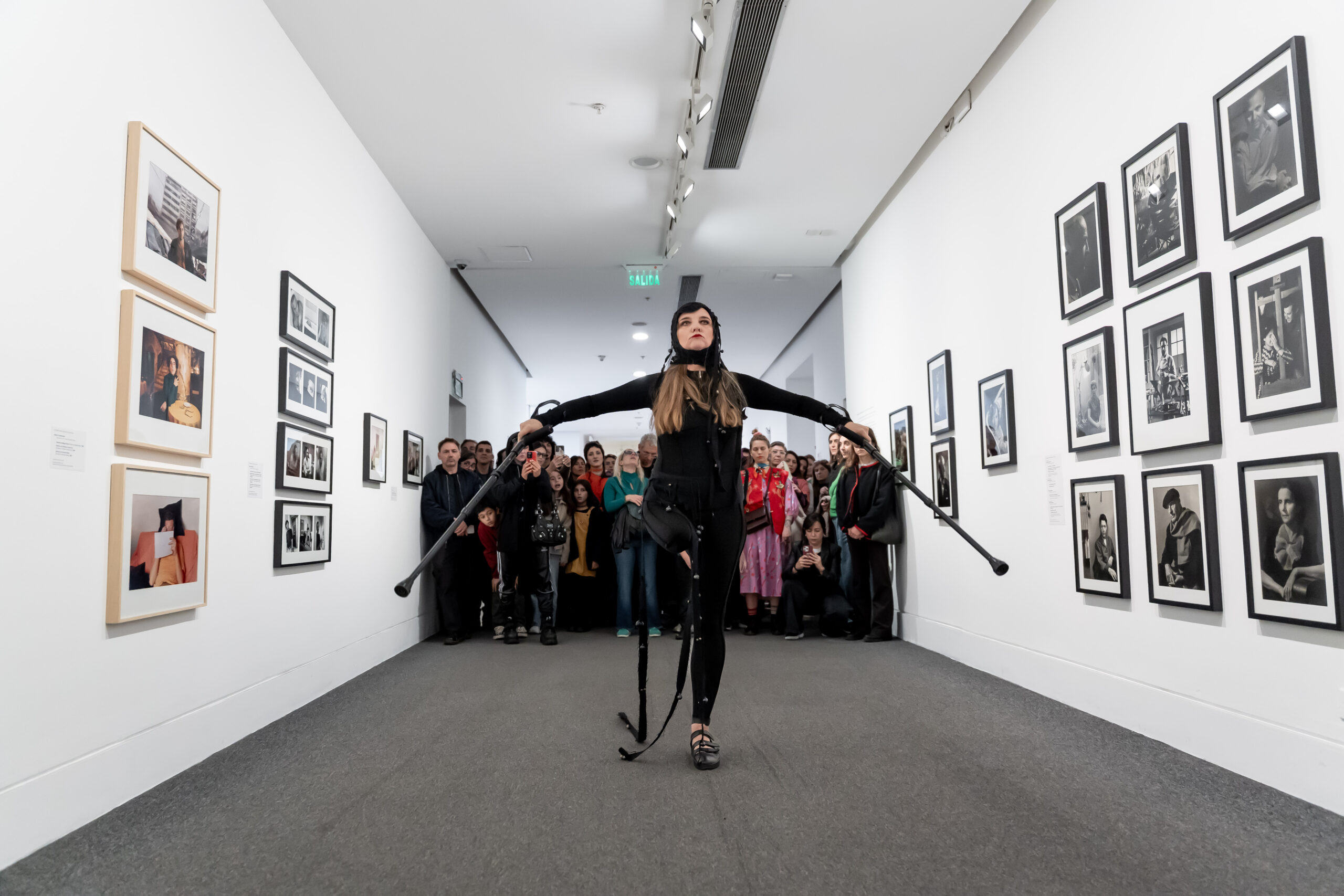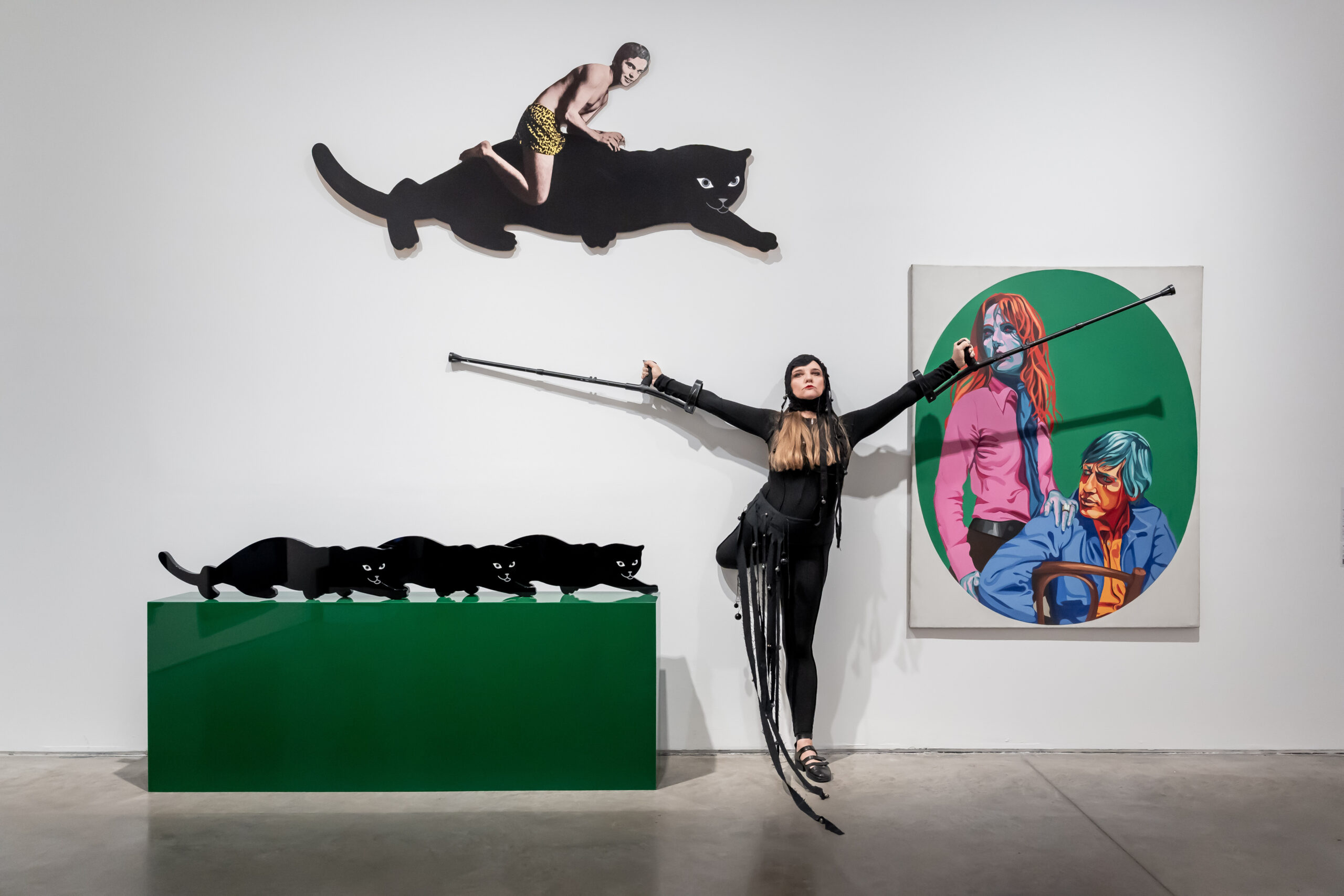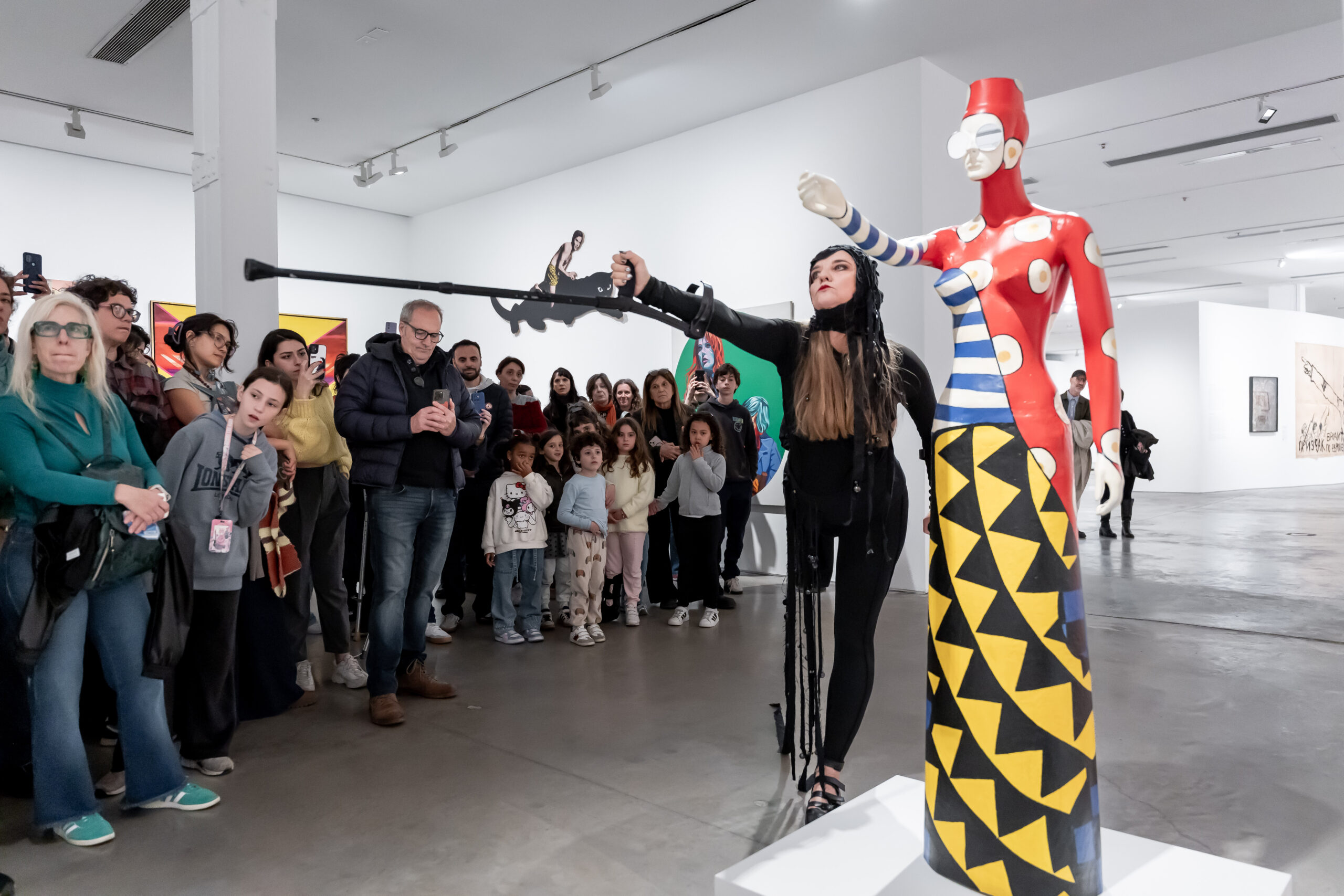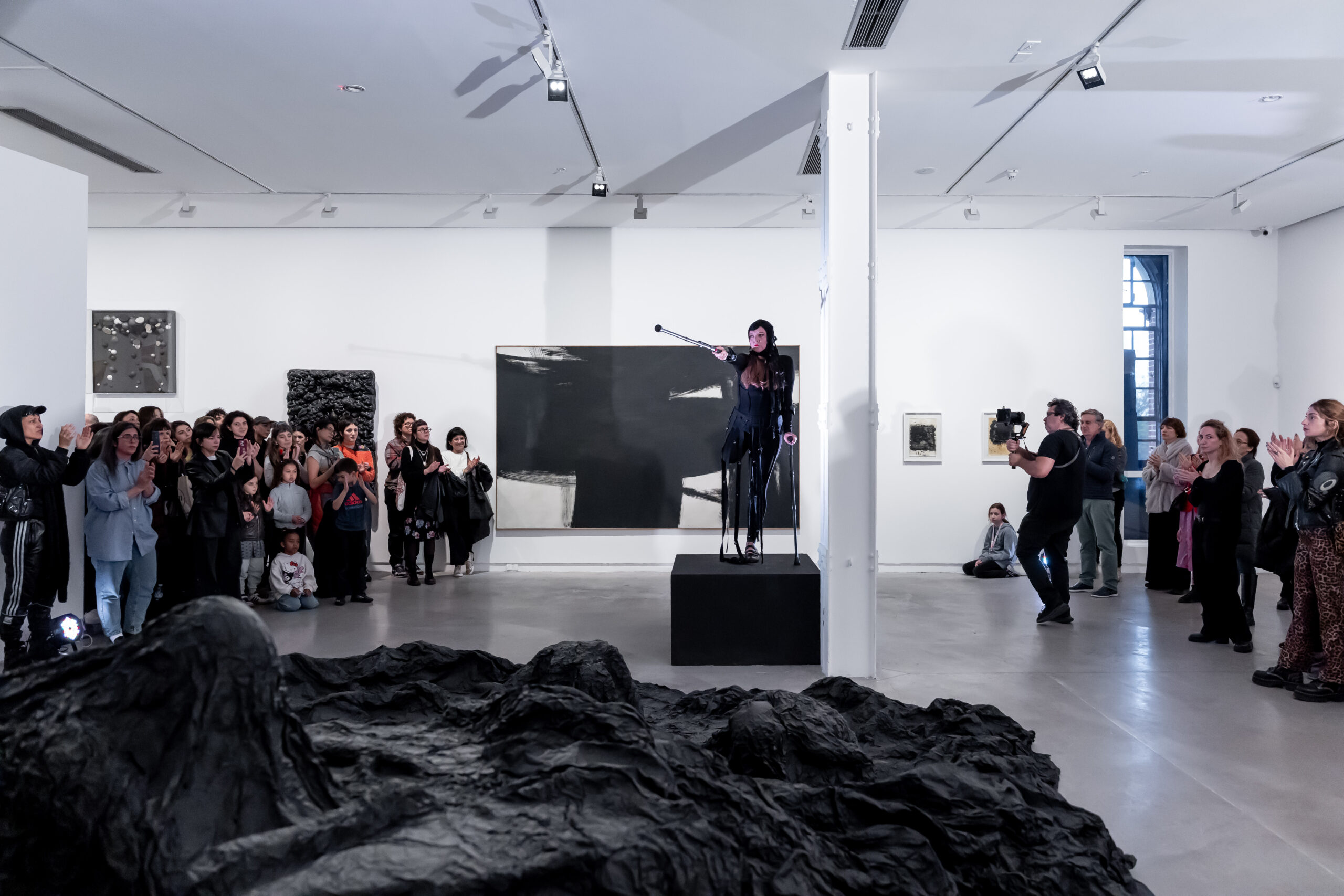
Joanna Pawlik’s Spinalonga examines how societies produce social exclusion by marking certain bodies as different, undesirable, or out of place. Drawing on histories of disability, illness, and social segregation, the performance asks who is allowed to appear in public space, under what conditions, and with what degree of visibility and agency.
At Museo Moderno, Spinalonga will take on a new, site-specific form. Pawlik develops each presentation in direct response to the architecture, acoustics, and circulation patterns. Movement through the museum − from entrances and staircases to corridors and different levels − will become part of the work’s dramaturgy. Sound, proximity, and changing spatial relations will shape the audience’s encounter with the performance, making the museum itself an active element in a work about visibility, access, and the right to occupy shared space.
The title refers to Spinalonga, the Greek island that housed one of Europe’s last leprosy colonies until 1957. Pawlik also draws inspiration from the history of the compulsory use of bells and clappers that people affected by leprosy were required to wear − objects whose sound warned of their arrival, ensured social separation, or represented a plea for help. Bells attached to the artist’s body become both an acoustic trace of these histories and a way to reclaim presence: what once marked a body for exclusion becomes a force that demands public attention. This reversal lies at the core of Pawlik’s engagement with disability and public visibility. Through movement, sound, crutches, and prostheses, she resists the objectification and removal from view of bodies that do not conform to normative expectations. Instead, bodily difference becomes a source of choreography, agency, and artistic form. Spinalonga turns a history of imposed separation into a powerful assertion of presence − within the museum and, symbolically, within the social space it represents.
Guest Curator: Jarosław Lubiak
The performance Spinalonga is supported by the Embassy of the Republic of Poland in Argentina.
Saturday 10 October
4.30 p.m. – Performance
6.00 p.m. – Public interview (with simultaneous interpretation into Spanish).