
Moderno and MetaModerno: 70th Anniversary Edition
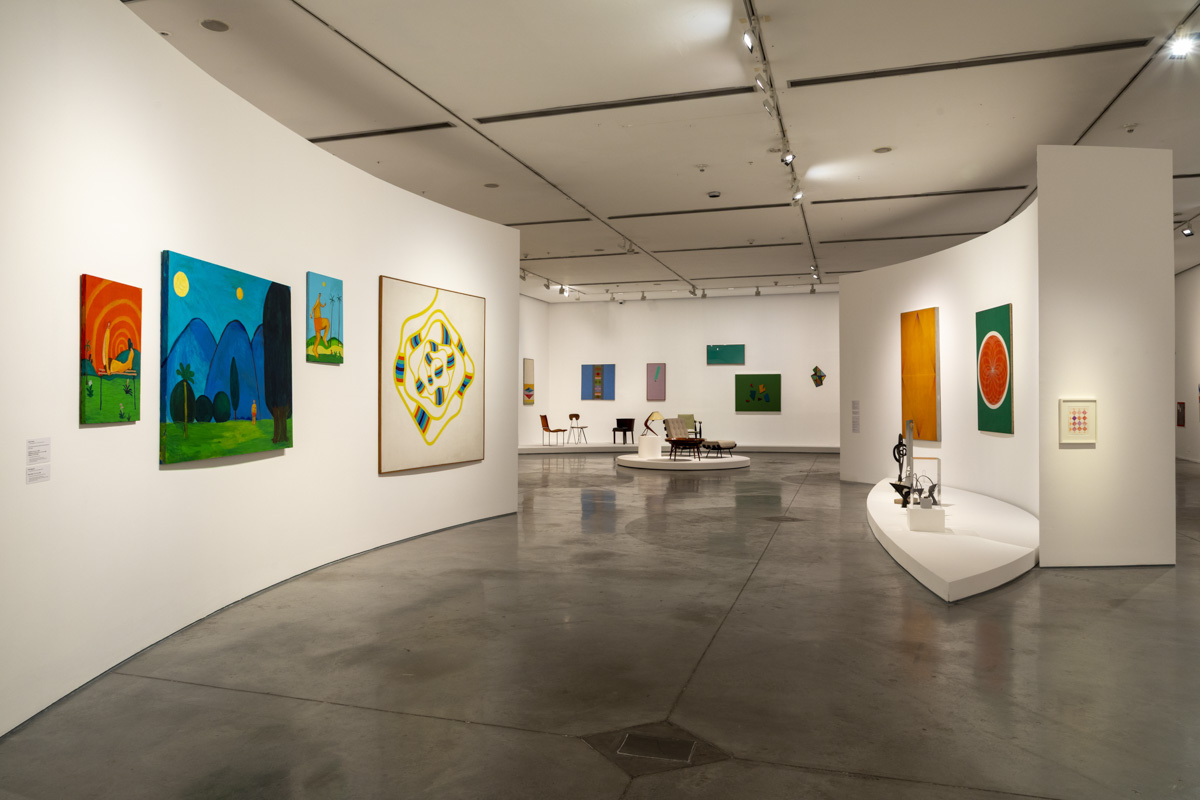
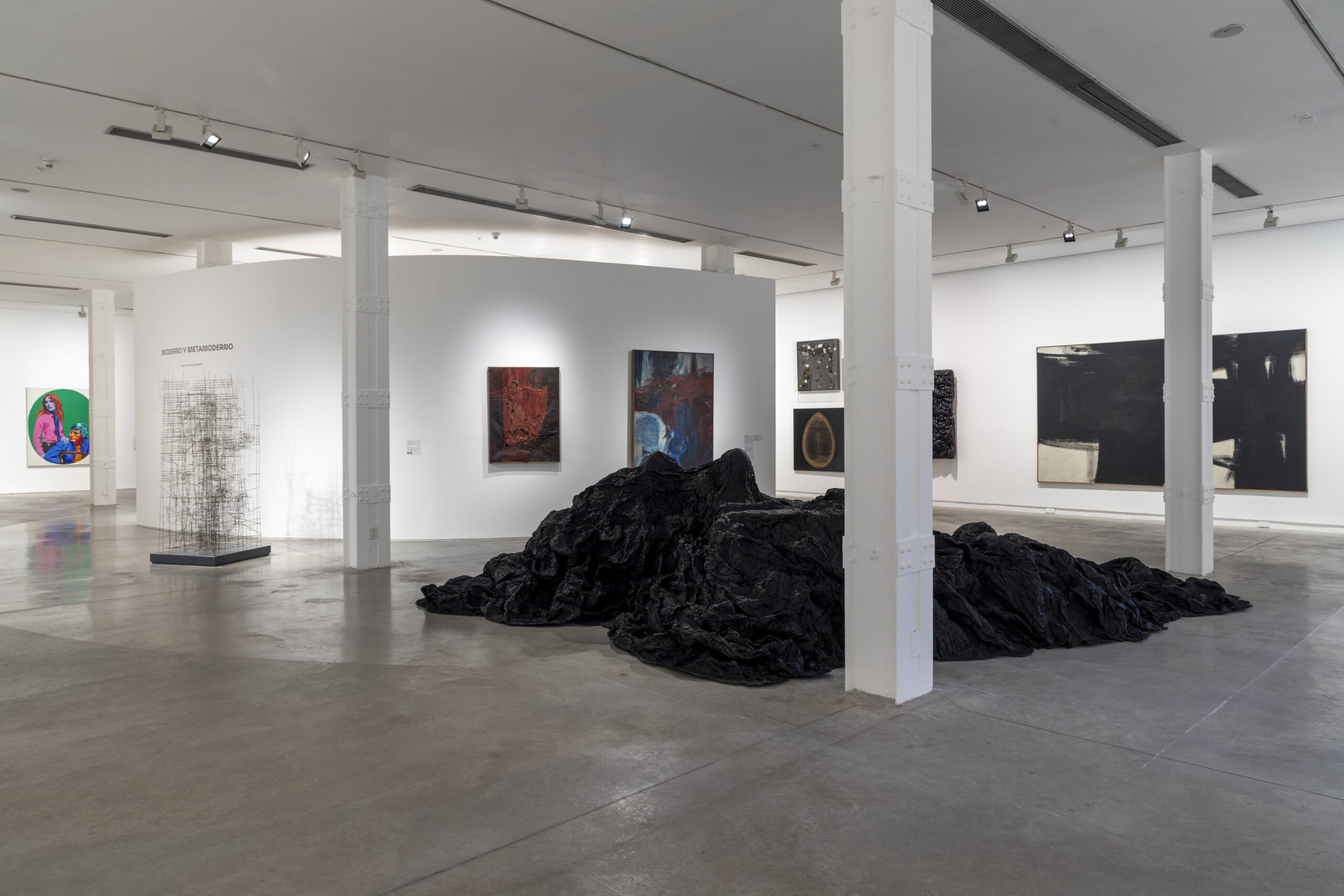
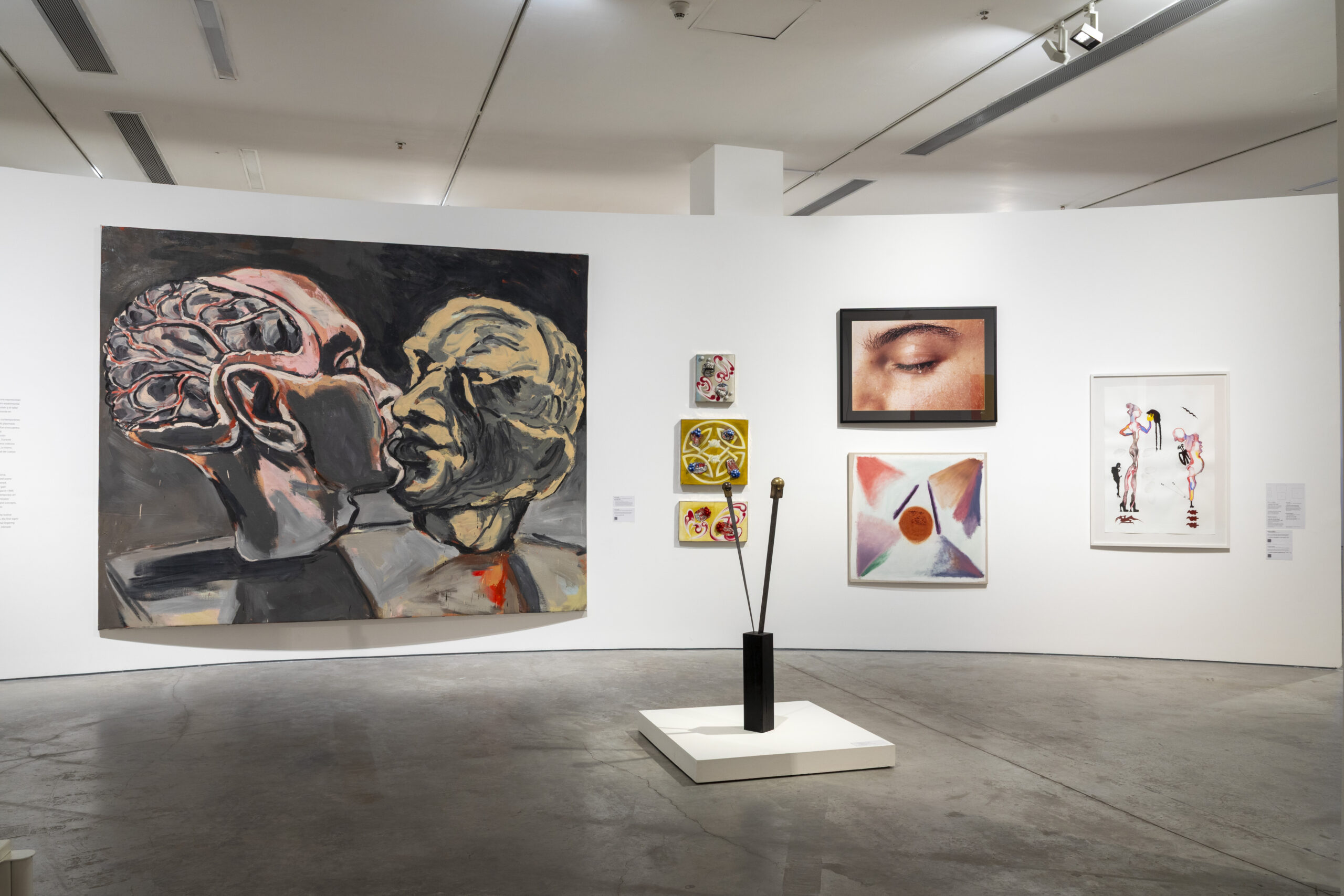
This exhibition is a new presentation of the Museo Moderno Collection, to mark our 70th Anniversary. This is the largest public collection of modern and contemporary Argentine art in the country, with over 8000 works, including graphic and industrial design pieces. It has received constant and generous support from Argentine society over the last decades.
The Collection was initiated by its first three directors. Rafael Squirru, the Museum’s founder and first director, started it in 1956 when he bought the first pieces directly from the ateliers of the great Argentine artists of the time; this was the case of León Ferrari’s Hombre [Man], at the foot of this text. Squirru was succeeded by Hugo Parpagnoli, who bolstered the collection while inaugurating the Photography Collection, and Guillermo Whitelow, who continued this great work. More recently, Laura Buccellato incorporated the legacy bequeathed by artist Alberto Heredia and created the Design Collection alongside the architect Ricardo Blanco, who gave it its initial form.
Under the current director and in collaboration with Buenos Aires City Government, since 2013 the Moderno has revived its tradition of acquisitions: to date, 264 works have been acquired and a further 564 donated. We are deeply grateful to those artists, gallery owners, patrons and corporations, and to the Acquisitions Committee and the Friends Association who have made it possible. Every one of them allows us to keep our finger on the living pulse of Argentine art!
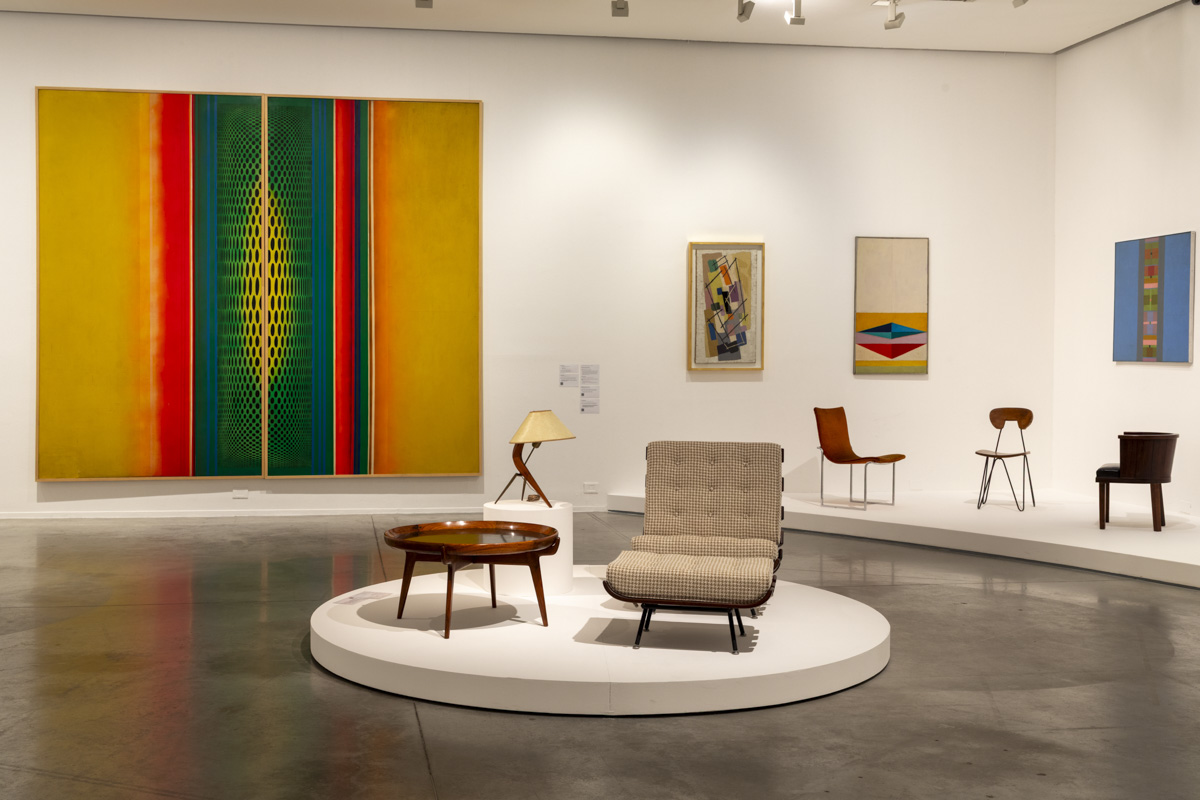
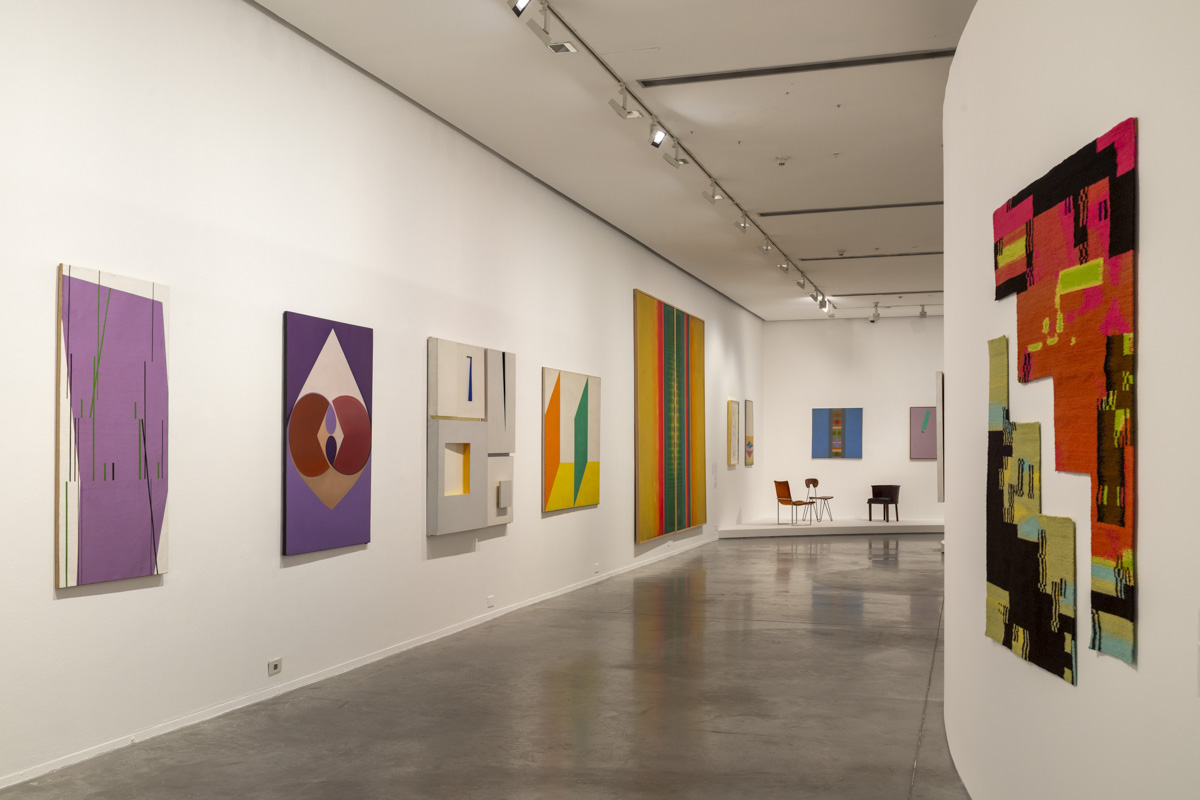
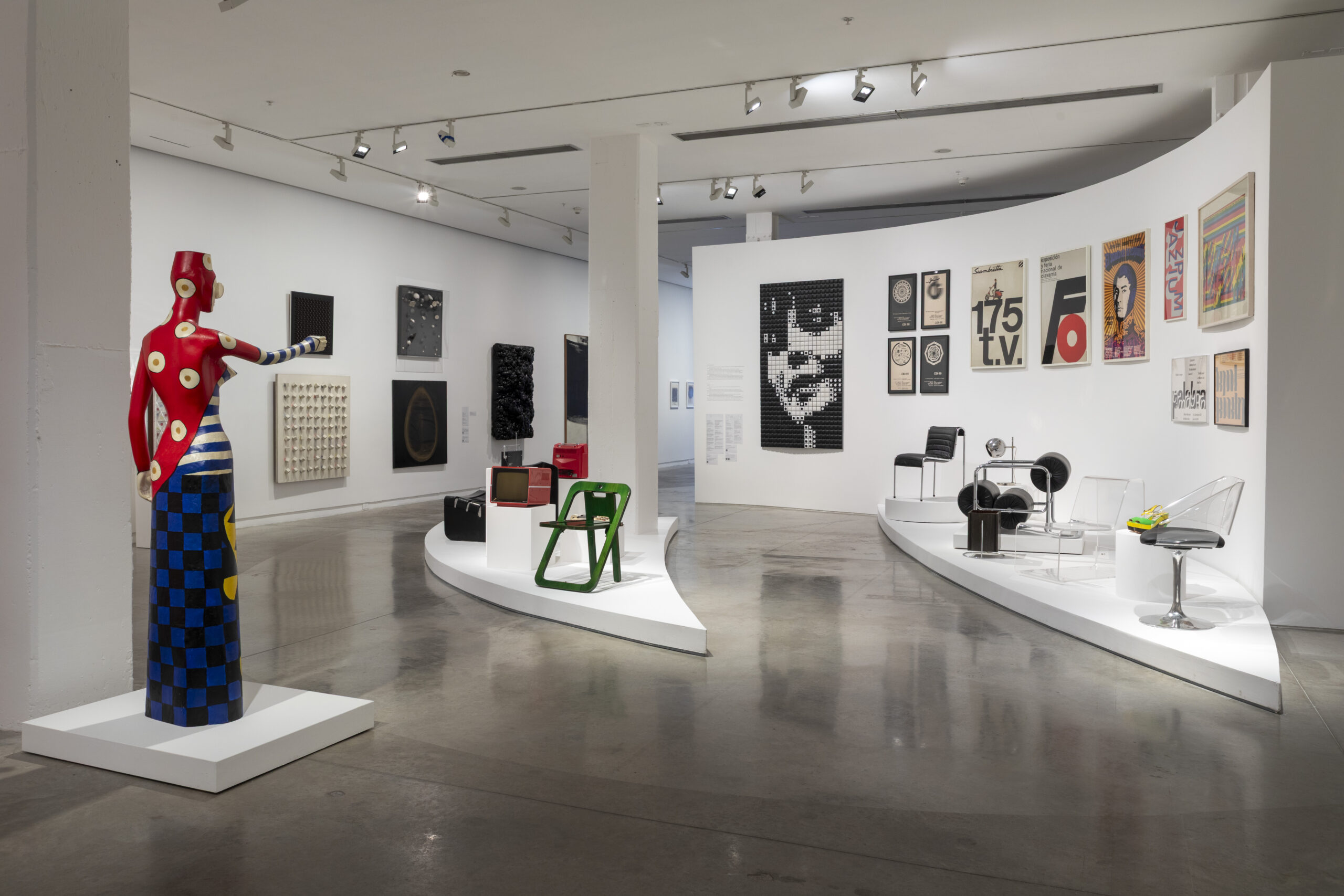
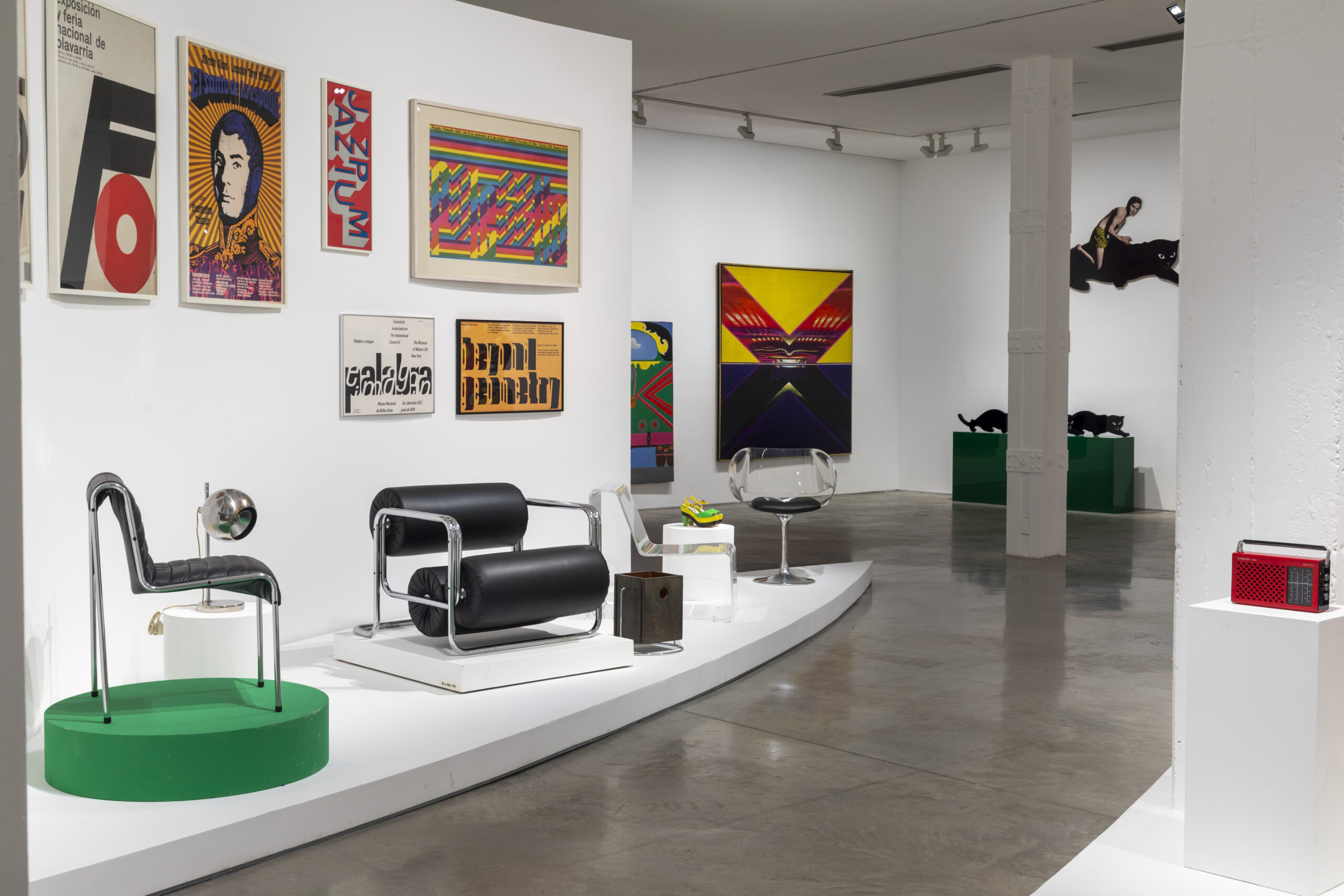
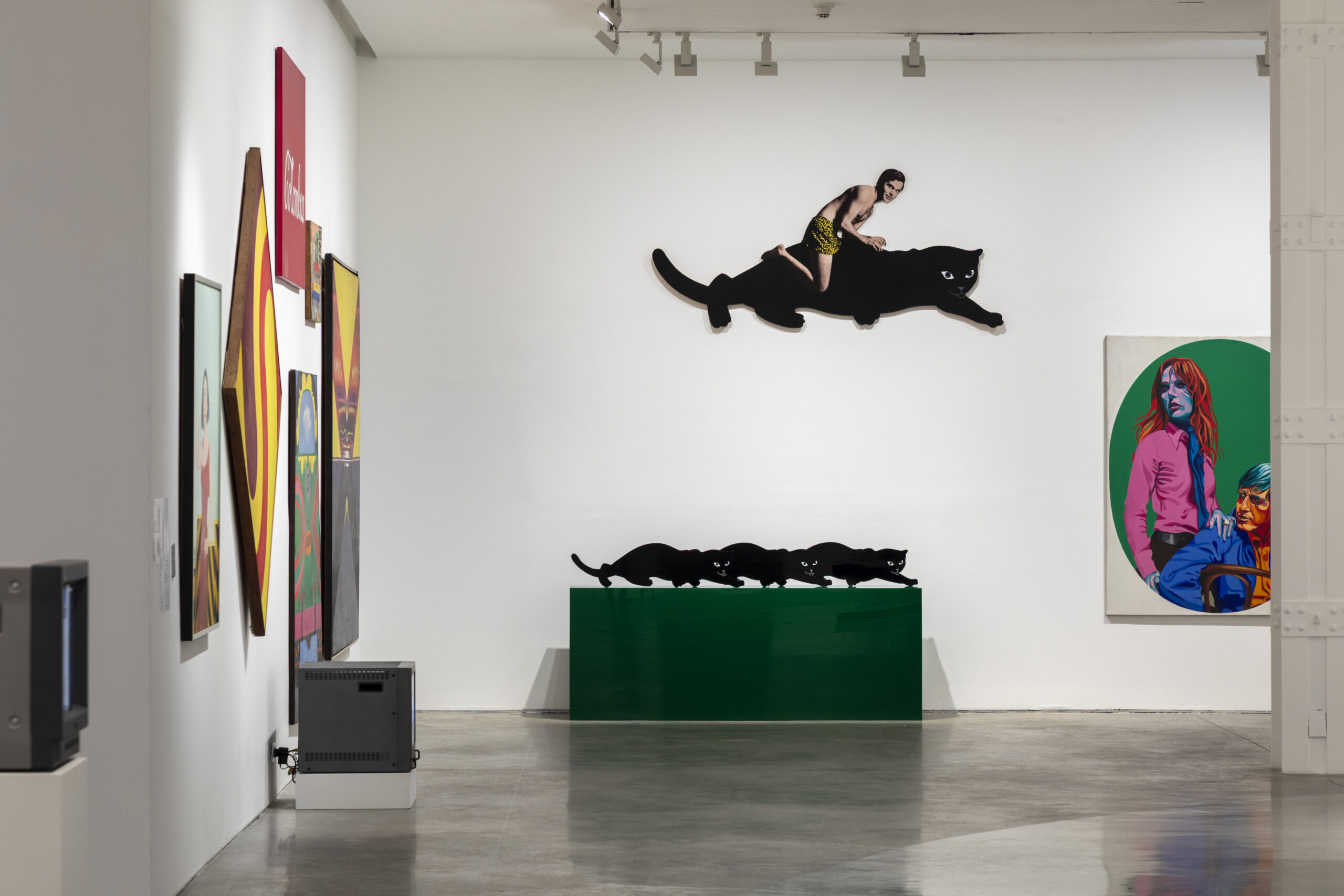
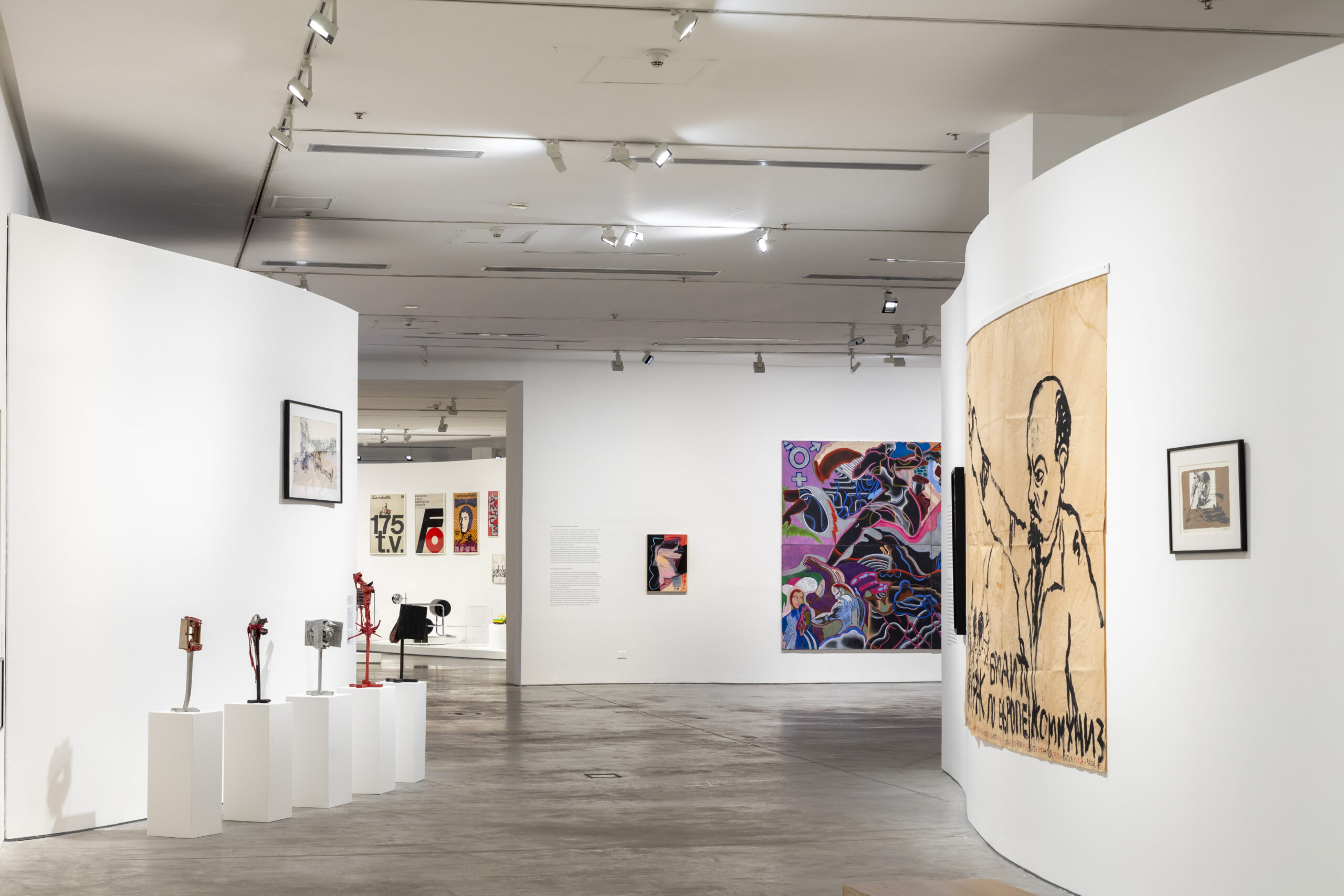
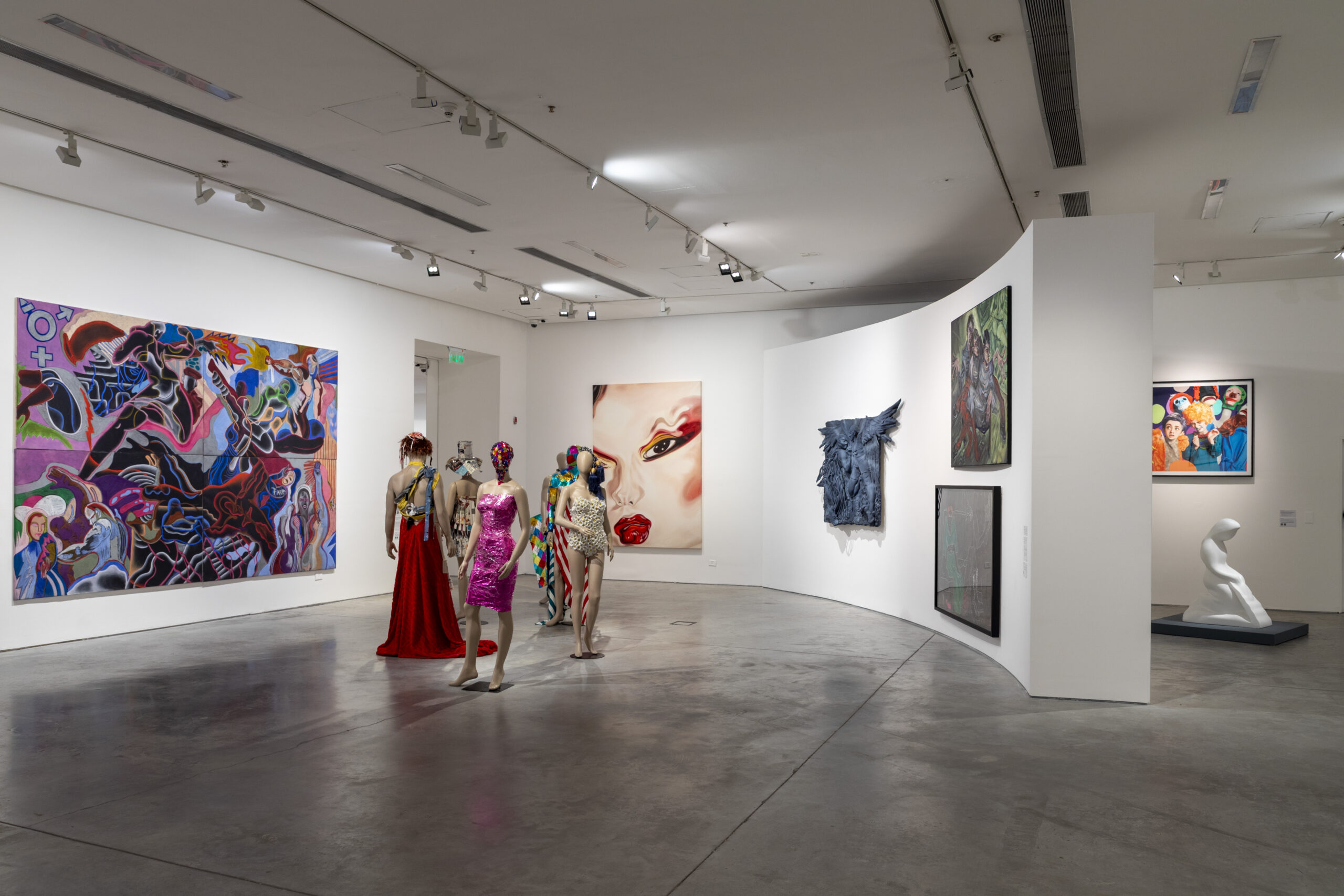
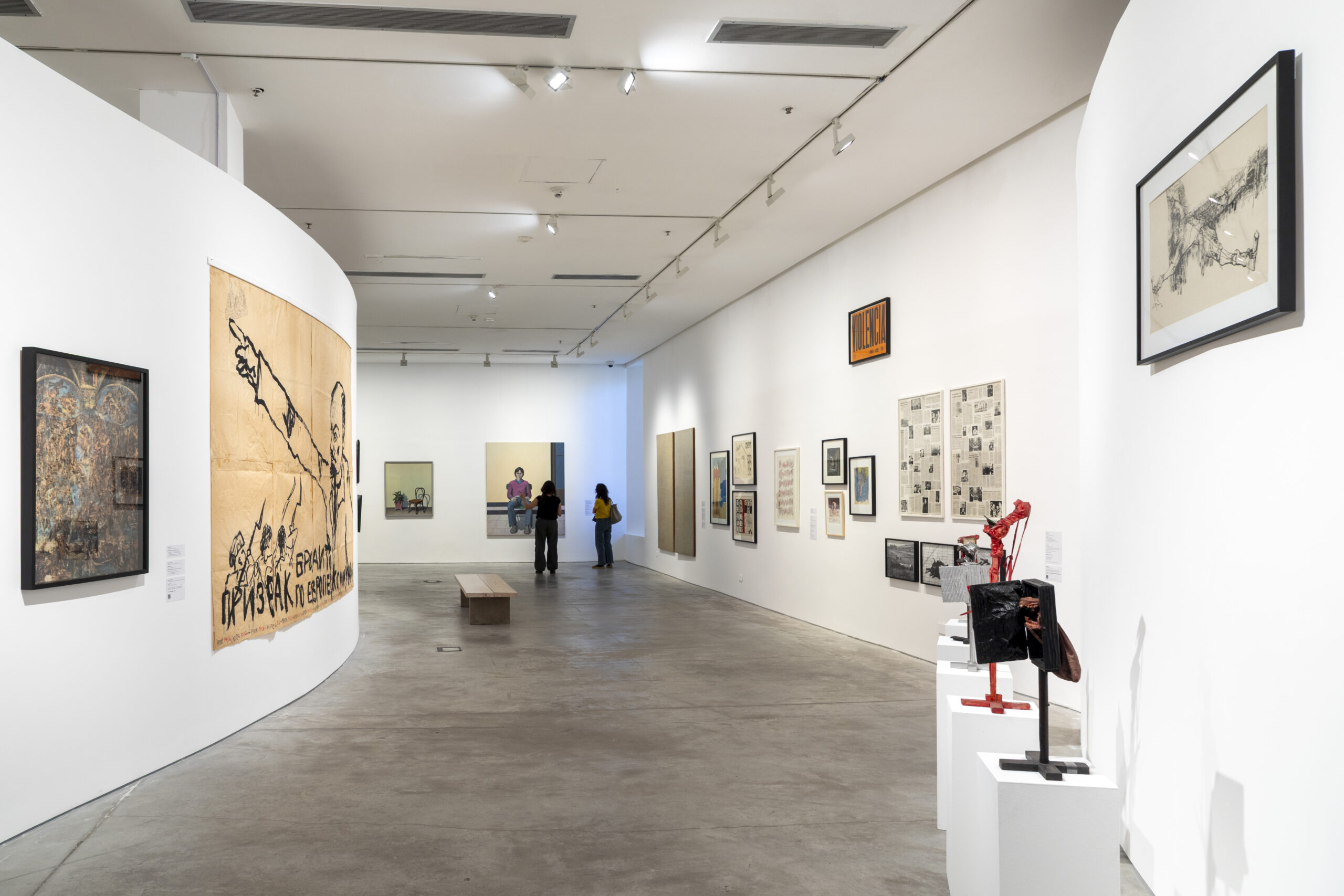
In these galleries, we display a succession of artistic movements. In this first one, Informalism, kinetic art, pop art, and graphic and industrial design; in the next, New Figuration and the art created during the dictatorship, in the post-dictatorship and the present. A conversation runs throughout between longstanding pieces and those more recently acquired or donated, to highlight the art that is being created in the ateliers of Argentine artists.
The QR codes next to selected works are portals for exploring the Museum’s digital archives: the Library, the Historic Archives, the History of the Museum’s Exhibitions over the last 70 years, and the more than 70 books published in the last decade. These digital platforms are created by our talented team, who work tirelessly to fulfil the Museum’s mission to protect, research and promote its collection and artists to the public, making a positive impact on the Argentine artistic community. You are all welcome to support this important work!
Platonic Love
To mark the 70th Anniversary of the Museo de Arte Moderno de Buenos Aires, we present a new exhibition of its artistic patrimony, the largest public collection of modern and contemporary Argentine art in the country, with over 8000 works of art and graphic and industrial design.
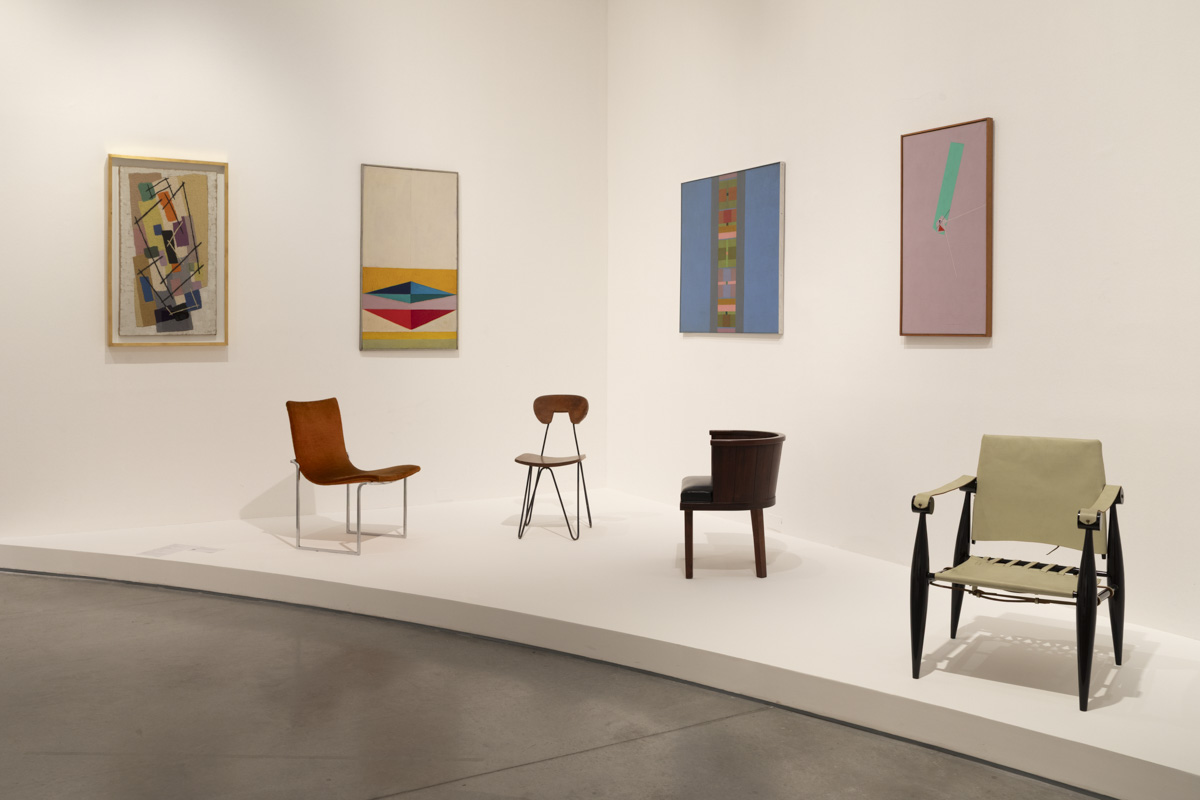
We call this first gallery “Platonic Love”, borrowing the title from a small Graciela Hasper drawing. This exhibition presents an imaginary, amorous conversation between works in this Collection that have longed to be together for a very long time. The gallery displays iconic works from Argentina’s abstract-geometric movements from the 1940s —including those that entered the Collection thanks to Ignacio Pirovano’s historic, founding Gift— together with many other works that have explored the tradition of abstraction to the present day. At first sight, this display suggests a timeless conversation. But if we look closer, some details emerge: as we move forward in time from the forties to the present, the perspective of the women artists present here softens the geometry, makes it more loving, more empathetic. There is room for playfulness, knowing winks, institutional critique, humour.
This story of a soft or platonically loving abstraction reflects several of the Moderno’s goals and achievements that make us well up with pride. On the one hand, the strong presence of women artists who created many of the recently acquired and donated works, as we seek a more equitable representation of our society. On the other hand, our clear federal vocation, as these galleries host historical and contemporary works by artists from diverse Argentine provinces.
Welcome to this great celebration of Argentine art and design!

The Informalist Cry
Towards the end of the 1950s and in response to the dominance of abstract art on the Argentinian art scene at the time, Informalism sparked a radical shift in painting. Nourished by French existentialism, jazz and a revival of that acerbic wit of Dadaism, it led to a decisive break with the established traditions.
One of its most vocal supporters was Rafael Squirru – art critic, poet and, in 1956, founder of the Museo Moderno – who sang its praises at exhibitions and in his seminal essays. With Informalism, the mundane burst onto the art scene in earnest: rags, burnt wood, twisted wires and experimental techniques combining oil paint with alcohol and organic matter. Informalism spread through the country’s art scenes as a symbol of ‘the new’, giving rise to collectives such as Grupo Sí (1960), from the city of La Plata.
This exhibition brings together works by leading artists of this period that came into the museum’s collection thanks to the vision of Squirru and his successor, Hugo Parpagnoli. These pieces are joined by works by contemporary artists that reflect the emotional intensity, the tension between materials and the expressive energetic gestures of the Informalist movement.
The Spectator in Movement
1960 marked the beginning of a second wave of abstract art, with the formation of Le Groupe de Recherche d’Art Visuel (GRAV) in Paris. Two of its main features are movement – works of art are transformed into machines that interact with the viewer – and optical effects, which turn static surfaces into dynamic ones by incorporating visual illusions based on geometry and the physics of light.
This period coincides with the rise of phenomenological approaches to perception and Gestalt psychology, which understand human perception as an active process rather than a mere response to stimuli. The theories of communication that grew in popularity in the 1960s – such as semiology and advertising studies – were another clear influence on the movement. Towards the end of the period, they would pave the way for the emergence of conceptual art.
In an echo of these trends, Argentine pop art put an ironic, psychedelic twist on images and objects it appropriated from popular culture, graphic design, telecommunications and urban life, and, in its own way, its attraction to popular culture explored the relationship between perception and social experience. While art and communication were not yet considered to be directly related, it had become evident that the viewer played a pivotal role as an active participant in the aesthetic experience.
New figurations, new bodies
Inspired by the cultural shifts that followed the Second World War and intellectual movements such as existentialism and psychoanalysis, Ernesto Deira, Rómulo Macció, Luis Felipe Noé and Jorge de la Vega took the Buenos Aires art scene by storm around 1960, with a new ‘explosion’ in painting. Critics grouped them under the name Nueva Figuración [New Figuration] (1961–1965), highlighting the distinctive expressiveness and material density with which they reinstated the human figure in large-scale works. Raucous colour, collage, relief, torn materials and assemblages come together to form fragmented figures that embody a deep cultural crisis.
This ‘distorted view of reality’, as it was described by Luis Felipe Noé, not only transformed the expressive possibilities of painting in his own age, but also influenced successive generations of artists. From Sergio De Loof and the post-dictatorship underground scene, to Nicanor Aráoz and others in the early 2000s, and contemporary artists such as Carrie Bencardino, Clara Esborraz, Amanda Tejo Viviani, Trinidad Metz Brea and La Chola Poblete – whose works were all recently added to the museum’s collection – echoes of New Figuration persist in practices that reconfigure the body and its emotions through perspectives that challenge cultural forms of identity and desire.
Art, Protest and Resistance
During the last military dictatorship (1976–1983), art became a form of resistance, taking a stand against the abductions and disappearances, torture and censorship. To challenge the authoritarian power, many artists returned to the experimentation of the 1960s – conceptual art, new media and explorations of the human figure, language and communication – while weaving their own personal stories into their works.
In his series “Amordazamientos” [‘Gaggings’] (1972-1978), Alberto Heredia depicted repressive violence through the fragmented bodies he created with plaster, gauze and medical devices. León Ferrari denounced censorship in works he produced while still in the country and once in exile (1976), incorporating written coded metaphors and graphical experiments with language into his art. Meanwhile, conceptual artist Luis Pazos explored the body not just as a sculptural and visual element, but as a collective language to evoke political violence.
After the return to democracy in 1983, a new generation of artists revisited these strategies in their own investigations of the effects of authoritarianism on social bonds, and the tensions between the body, presence and absence. Guillermo Kuitca, for example, captured the sentiment of the times in intimate works that explore the complex relationship between memory and subjectivity.
New Communities
Following the dictatorship, from 1983 onwards, painting re-emerged in force, with an unbridled expressiveness linked to the punk aesthetic, the underground scene and experimental theatre. Artists filled the vibrant alternative spaces that opened, like Café Einstein and the studio La Zona. These experimental spaces would gain institutional traction with the opening of the gallery at the Centro Cultural Rojas in 1989.
Against this backdrop, a new sensibility emerged that would shape contemporary art in the decades to come. The brazenness that came with the end of state repression was captured in works that used fragile media but integrated bold gestures and concepts, and that grew out of the freedom of late-night outings, close-knit communities and the celebration of sexual diversity.
This expressive urgency of the 1980s gave way to a reinterpretation of the festive and a new reading of beauty as an active attribute of the image. In the 1990s, the first signs of a new economic and social crisis crept in and took their place alongside that lingering sense of euphoria. The aesthetic – nourished by things that were handmade, intimate and decorative – became a silent commentary on the fragility of the body and the importance of caring for each other.
Industrial Utopia
Between 1930 and 1950 the home became a space for experimenting with designs for modern life.
In addition to the international brands that dominated the Argentine market, local initiatives sought to develop new means of manufacturing and mass production. These included efforts by pioneers such as Alejandro Bustillo, the Grupo Austral, Tomás Gonda and César Jannello, who championed an ideological shift based on functionality and rationality.
During this period, the contributions of prominent immigrant architects and designers who had trained at European schools – such as Susi Aczel, Martín Eisler and Herman Loos – and the emergence of the first local modern furniture companies helped to establish a distinctly Argentine professional sector.
Many of the pieces seen here entered the museum’s collection thanks to Ricardo Blanco’s efforts in the 2000s. In 2025, the Museo Moderno launched a new stage in the expansion of this collection when it introduced the role of Curator of Argentine Design.
Design and Consumption
By the 1960s, design in Argentina emerged as a strategic practice, tied to industrial development and mass and pop culture.
It came to be recognised as a professional discipline, helped by the emergence of public organisations such as the Centro de Investigación del Diseño Industrial, which promoted closer ties between the worlds of design and business, and the opening of the first in-house design departments at furniture and consumer goods companies, spearheaded by figures such as Reinaldo Leiro (Buró) and Ricardo Blanco (Indumar). The same strategy applied to consumer electronics companies, where people such as Hugo Kogan (Aurora) and Roberto Nápoli (Noblex) were developing products that incorporated new technologies.
During this same period, the Instituto Torcuato Di Tella ―home to all things art, design and pop culture ―became a gathering place for figures such as pioneering fashion designer Dalila Puzzovio. Graphic design experienced its own radical shift, characterised by the work of Rubén Fontana, Juan Carlos Distéfano and Guillermo González Ruiz, who focused on typography as a unifying element in visual compositions, in keeping with the research on optics and perception of the time.
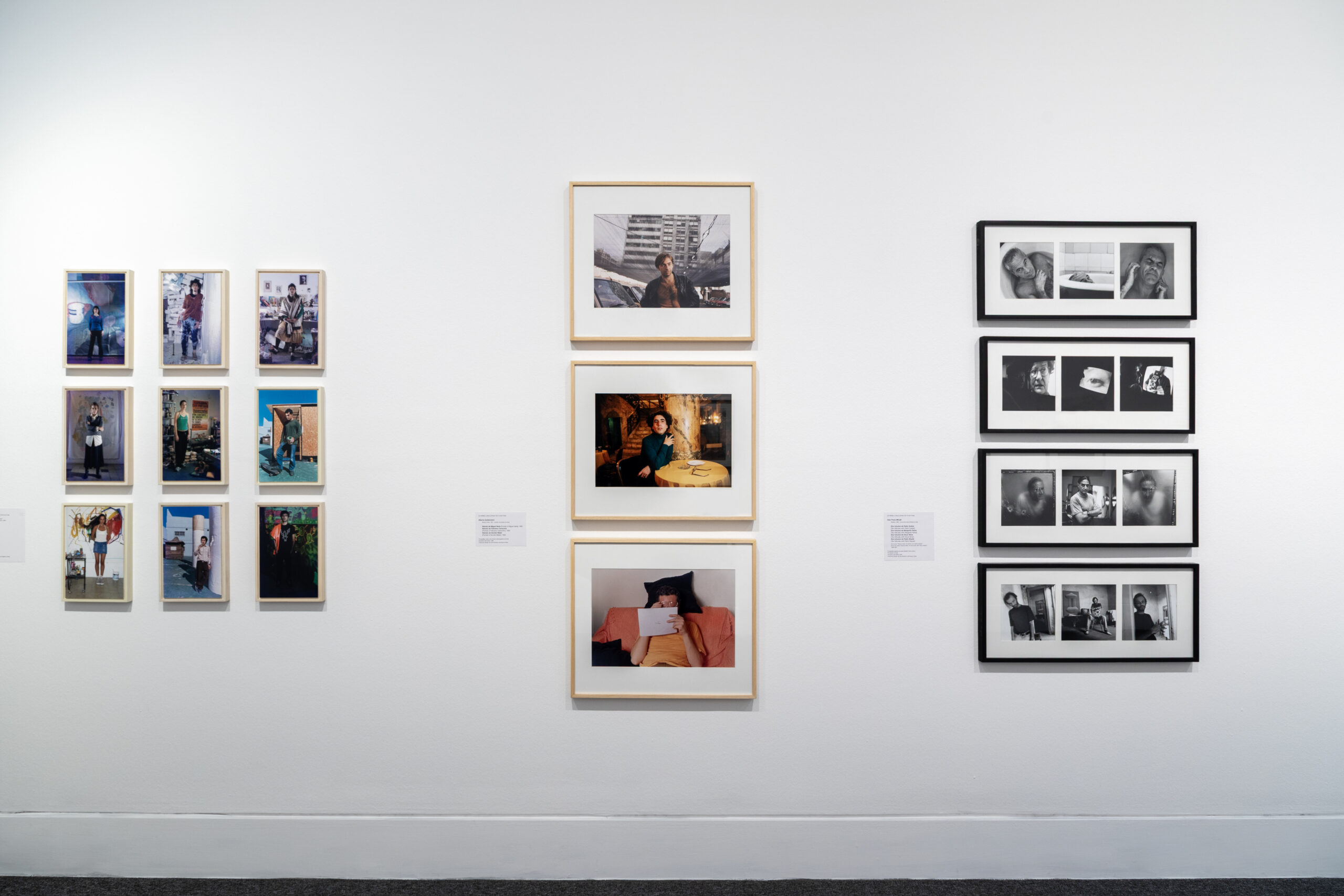
Moderno and MetaModerno: The Home of Argentinian Artists
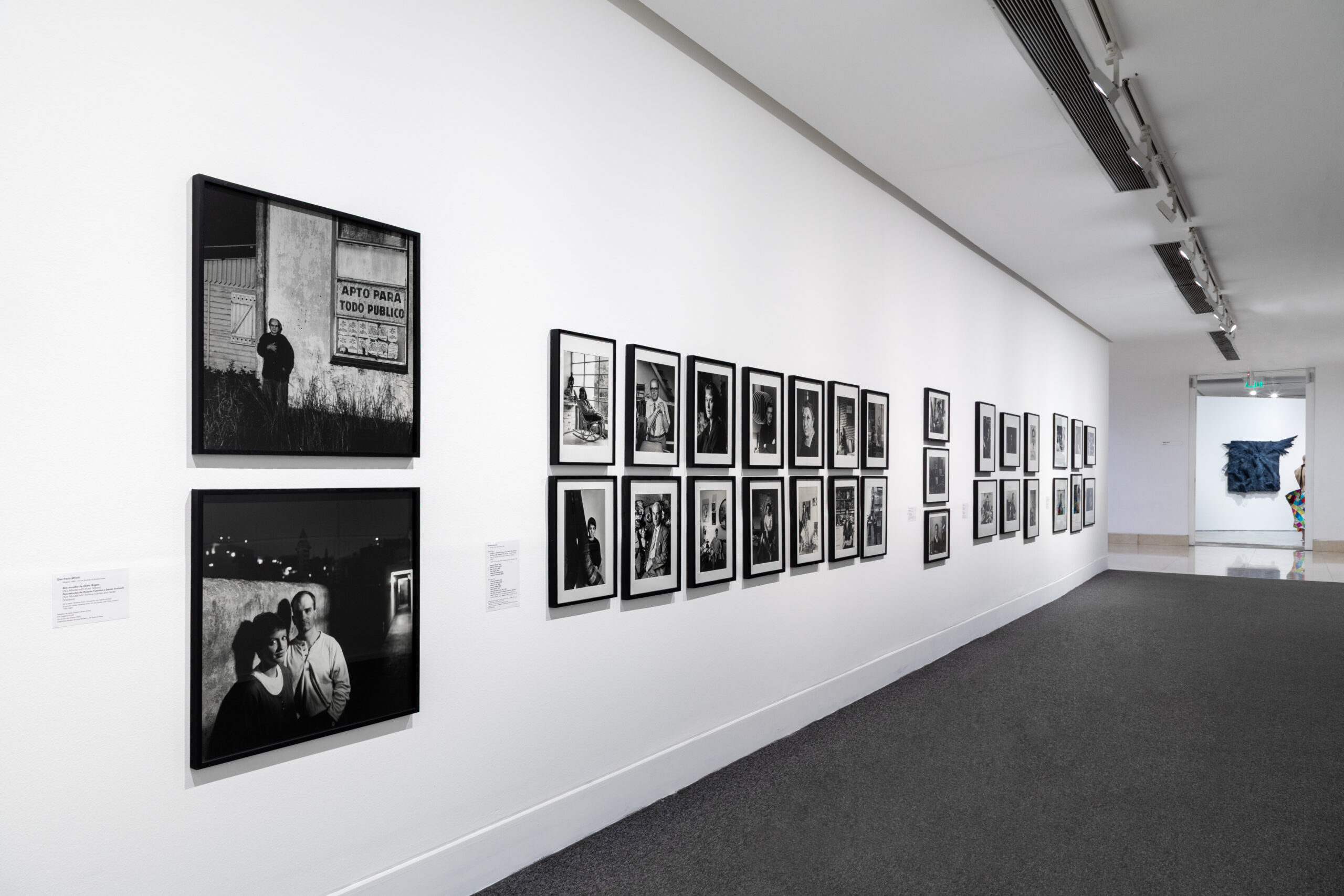
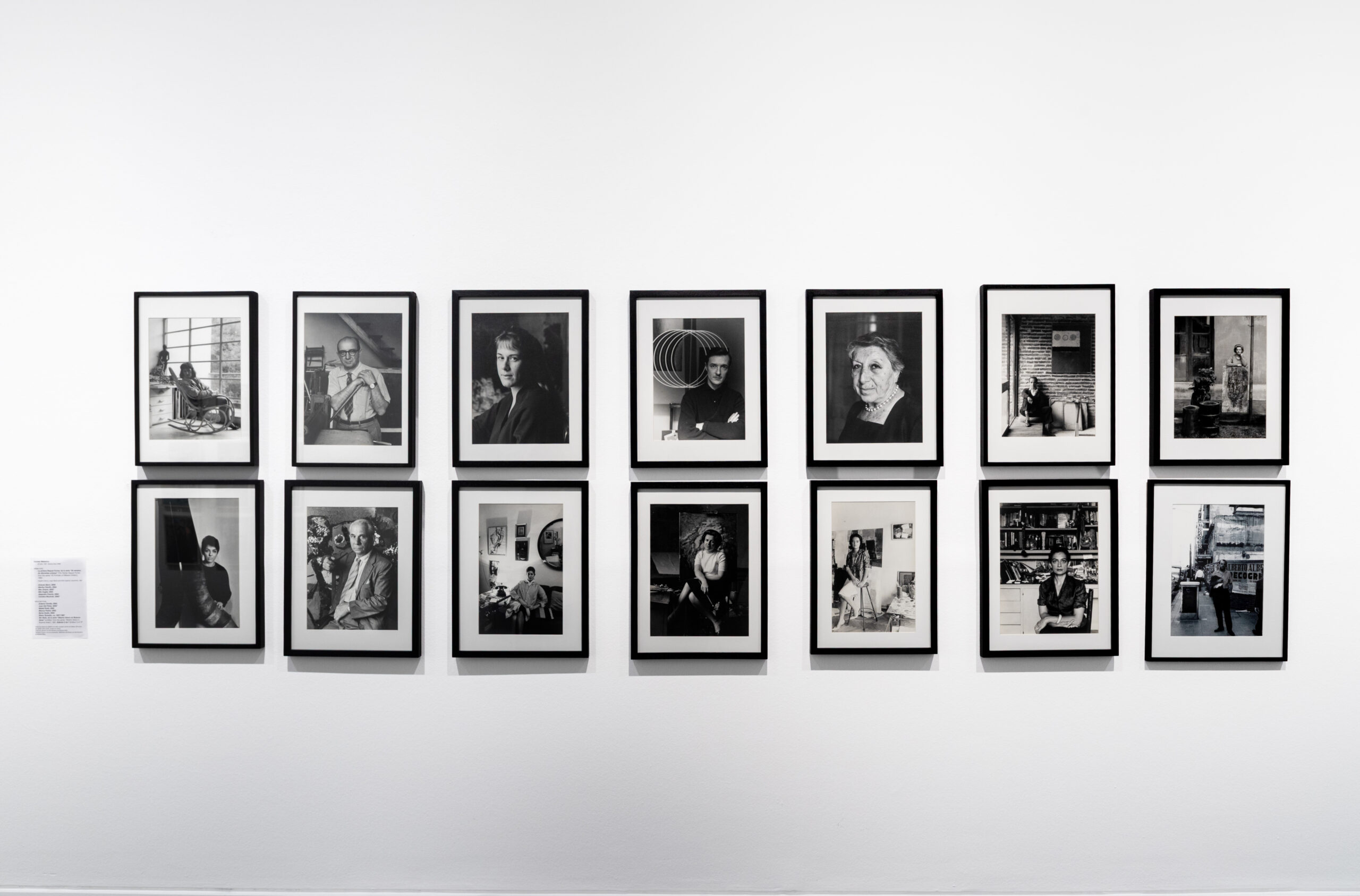
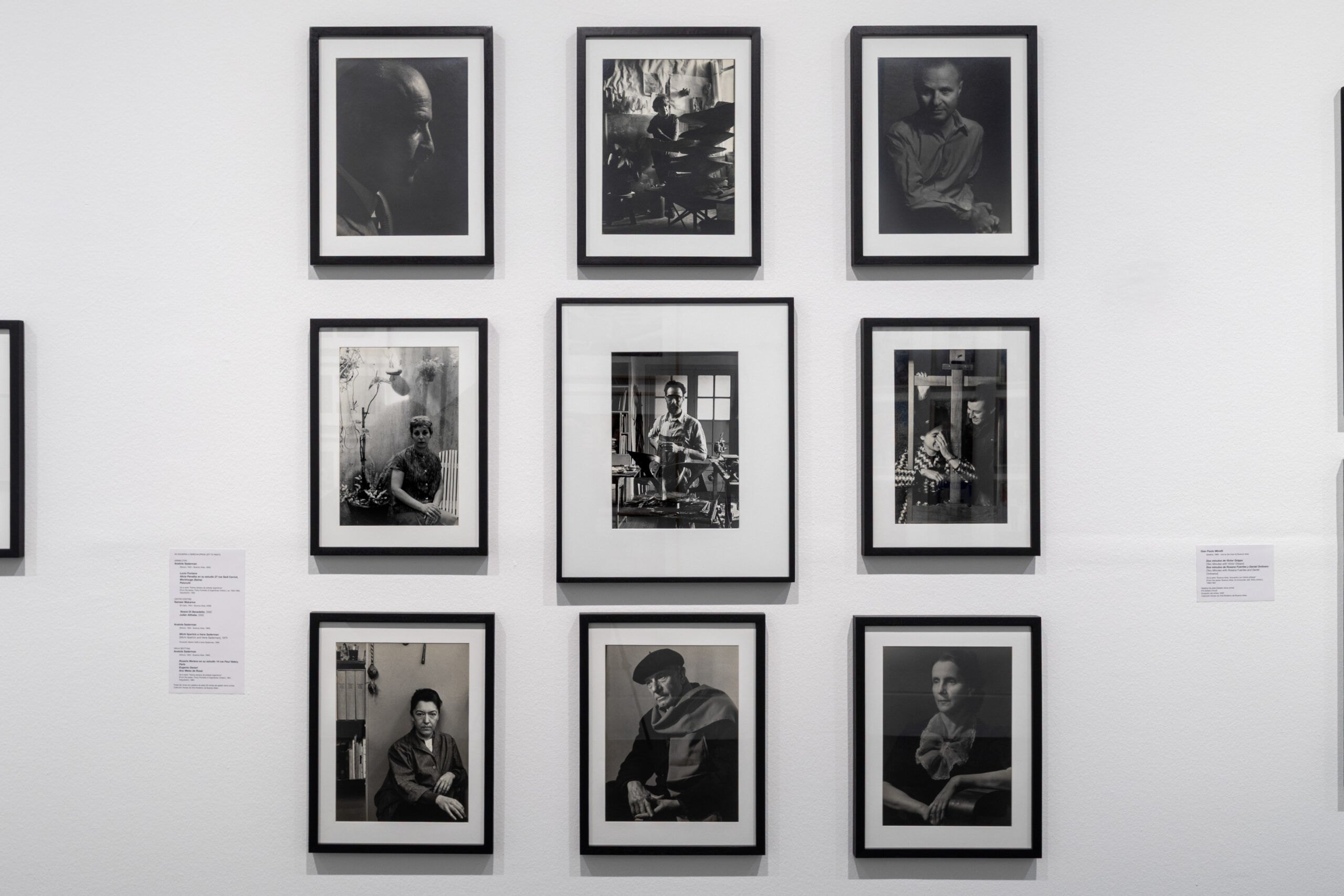
To mark the 70th Anniversary of the Museo Moderno, we celebrate the artists who have called this great institute of Argentine art their home, with a selection of works from the Moderno’s Photography Collection.
Taken by prominent photographers, these images form an intimate collection that reveals stories of friendship and shared experience, through the knowing gaze with which they capture their colleagues. The photographs not only document the everyday aspects of the creative process – with glimpses of workshops, tools and materials – they also give the general public a more personal view of the artists. At the same time, thanks to the keen observation of gestures, outfits and personal surroundings, the photographers have brought out the most vivid and human qualities of their subjects.
Thus, with Moderno y MetaModerno, the museum pays tribute to the bonds its artists forge with each other: it is a tapestry of connections that mirrors the enduring relationships at the very heart of this institution.
Artists and designers: Susi Aczel, Roberto Aizenberg, Josef Albers, Carlos Alonso, Julián Althabe, Joaquín Aras, Nicanor Aráoz, Carmelo Arden Quin, Sergio Avello, Elba Bairon, Eduardo Basualdo, Carlota Beltrame, Carrie Bencardino, Antonio Berni, José Antonio Berni, Ricardo Blanco, Martín Blaszko, Sofía Bohtlingk, José Antonio Bonet, Alejandro Bustillo, Juana Butler, Eduardo Alejandro Cabrejas, Osmar Bartolomé Cairola, Antonio Caro, Carmelo Carrá, Juan Carlos Castagnino, Pérez Celis, Luis Centurión, Elda Cerrato, María Luisa Colmenero, Eugenia Crenovich, María D’Avola, Flavia Da Rin, Jorge Daguerre, Ernesto Deira, Sergio De Loof, Jorge De la Vega, Juan Del Prete, Hugo Demarco, Germaine Derbecq, Noemí Di Benedetto, Juan Carlos Distéfano, Jorge Doujan, Thomas Downing, Ana Eckell, Martín Eisler, Clara Esborraz, Jorge Ferrari Hardoy, León Ferrari, Fanny Fingermann, Rubén Fontana, Luis Frangella, Arnoldo Gaite, Ana Gallardo, Ricardo Garabito, Carlos García Bes, Rodrigo García Bes, Santiago García Sáenz, Nicolás García Uriburu, Noemí Gerstein, Edgardo Giménez, Alberto Goldenstein, Tomás Gonda, Guillermo González Ruiz, Alberto Greco, Silvio Grichener, Silvia Gurfein, Graciela Hasper, Annemarie Heinrich, Alberto Heredia, Alfredo Hlito, Enio Iommi, César Jannello, Eduardo Joselevich, Kenneth Kemble, Hugo Kogan, Guillermo Kuitca, Juan Kurchan, Alejandro Kuropatwa, Fernanda Laguna, Julio Le Parc, Reinaldo Leiro, Noé León, Valentina Liernur, Alfredo Londaibere, Hermann Loos, Raúl Lozza, Eduardo Mac Entyre, Víctor Magariños, Sameer Makarius, Tomás Maldonado, Hilda Mans, Liliana Maresca, Federico Martino, Alcides Martínez Portillo, María Martorell, Juan Melé, Trinidad Metz Brea, Estanislao Mijalichen, Gian Paolo Minelli, Marta Minujín, Roberto Nápoli, Pedro Otero, Eduardo Painceira, Margarita Paksa, Luis Pazos, Martha Peluffo, Sandro Pereira, Emilio Pettoruti, Anselmo Piccoli, Tiziana Pierri, La Chola Poblete, Rogelio Polesello, Lincoln Alfredo Presno Hargain, Alfredo Prior, Alejandro Puente, Dalila Puzzovio, Valentina Quintero, Emilio Renart, Juan Carlos Romero, Anatole Saderman, Rubén Santantonín, Cristina Schiavi, Rosana Schoijett, Antonio Seguí, Eduardo Serón, Aldo Sessa, Carlos Silva, Juan Stoppani, Pablo Suárez, Amanda Tejo Viviani, Juan Tessi, Luis Tomasello, Silvia Torras, Leila Tschopp, Georges Vantongerloo, Gregorio Vardánega, Miguel Ángel Vidal, Sesostris Vitullo, Luis Alberto Wells, Judi Werthein, Amancio Williams, Wolanow Cecilia María and Guido Yannitto
Curated by: Victoria Noorthoorn, Director of the Museo Moderno, in coordination with the Moderno’s curatorial team, including the notable participation of: Patricio Orellana, Head of the Curatorial Department; Franco Chimento, Curator of Argentinian Design; Pino Monkes, Head of Conservation, and Valeria Semilla, Head of Collections