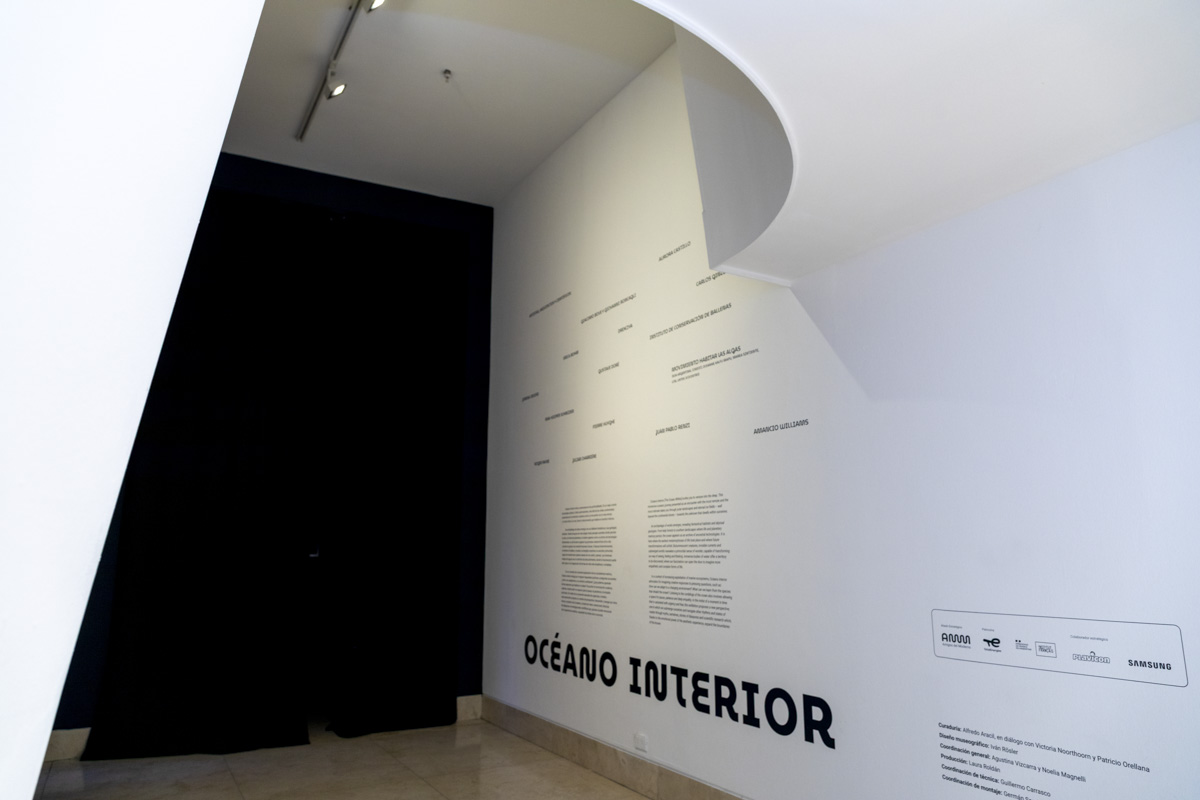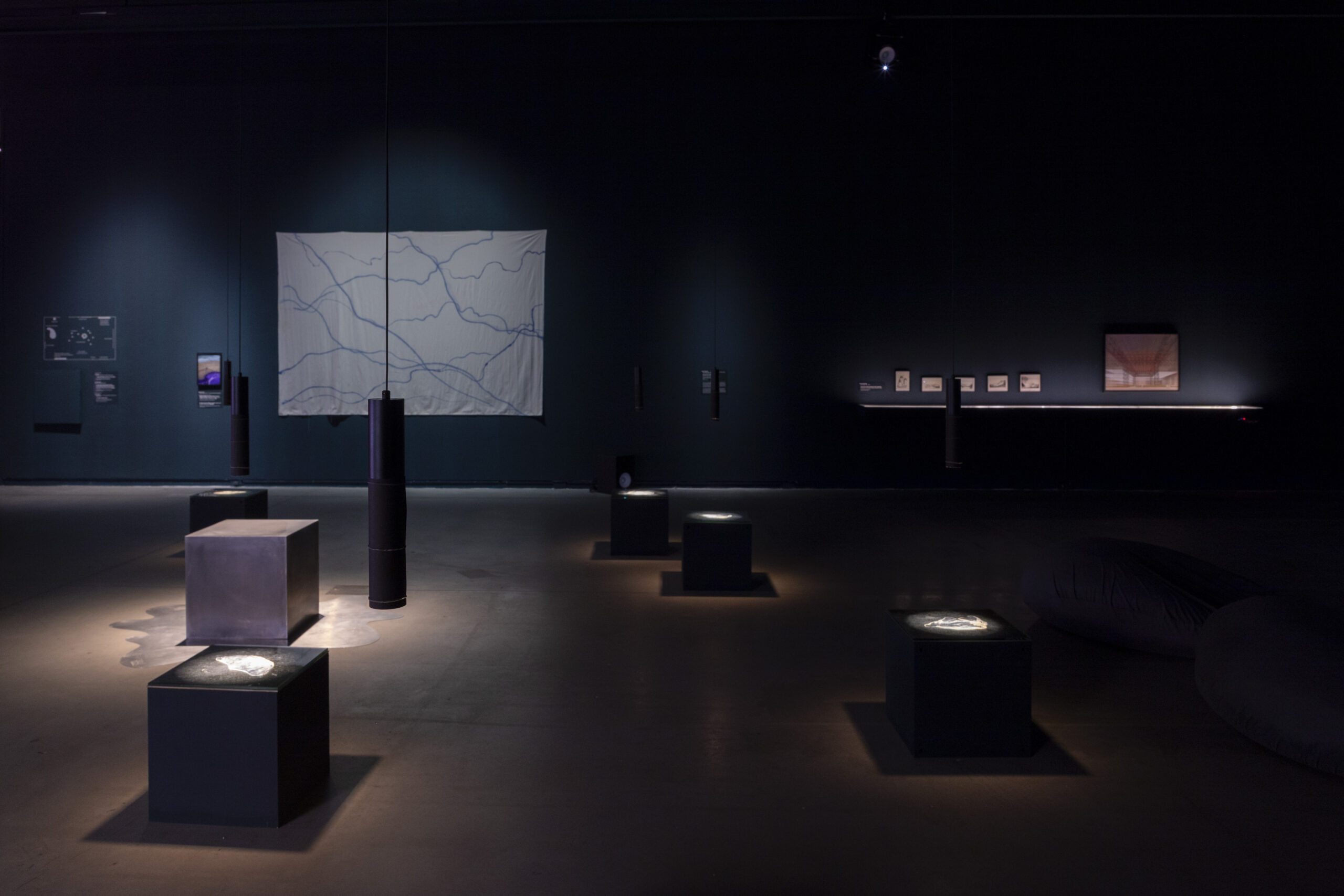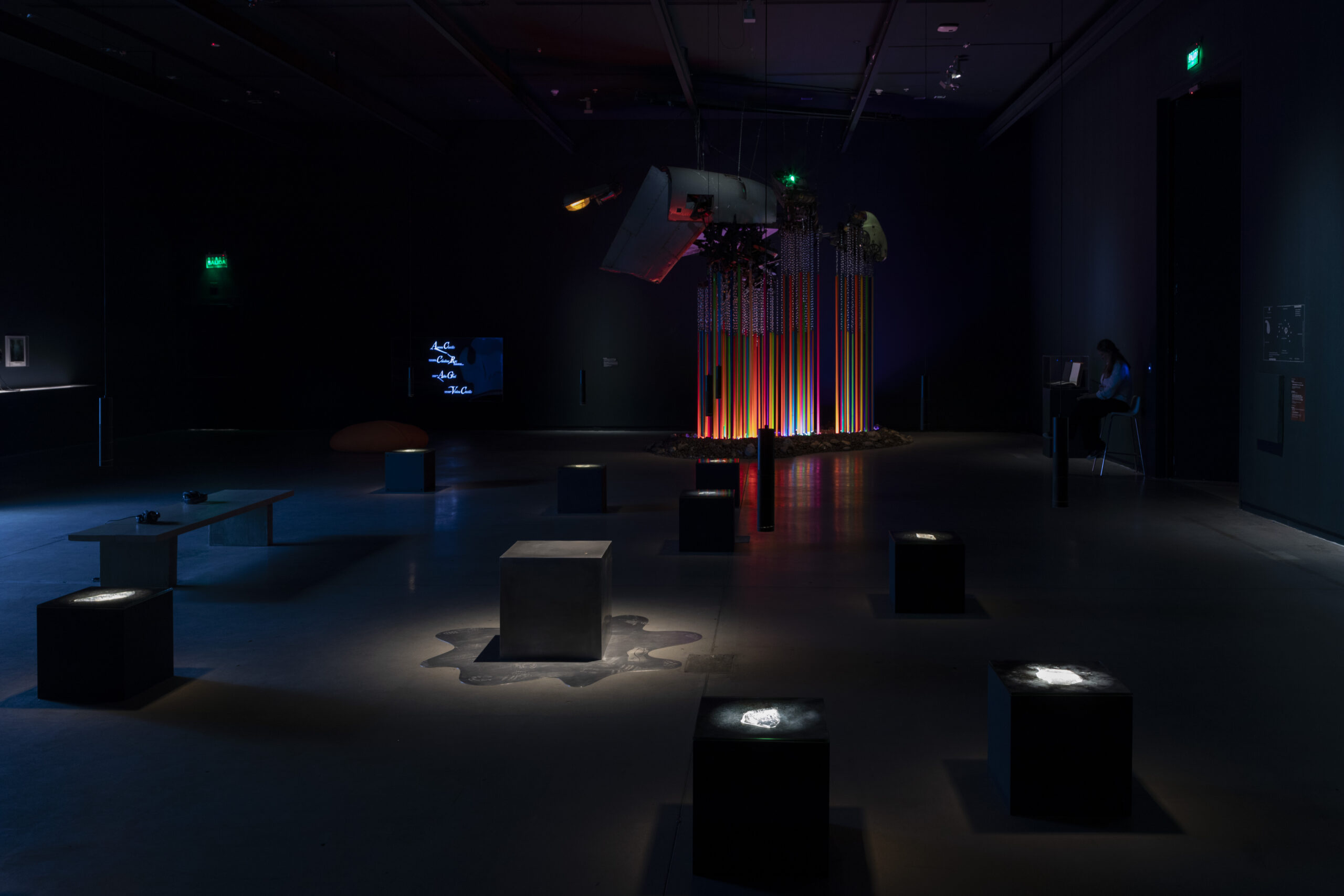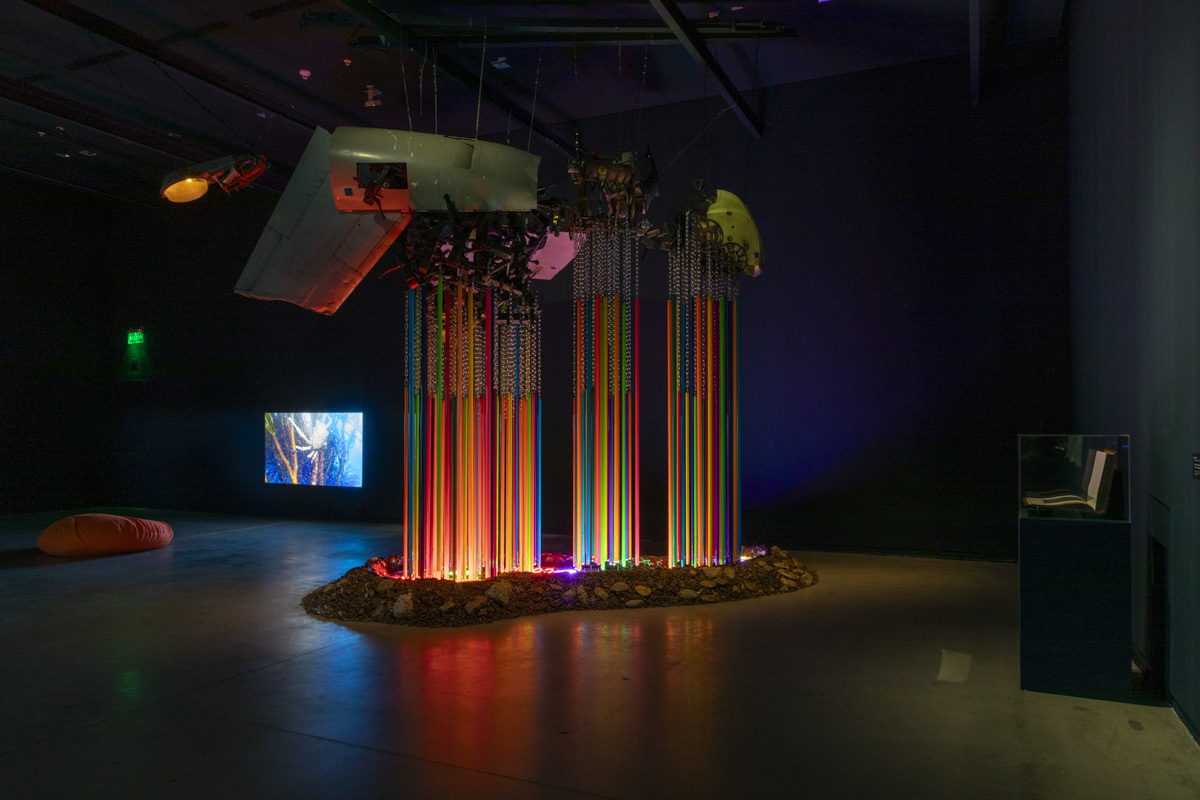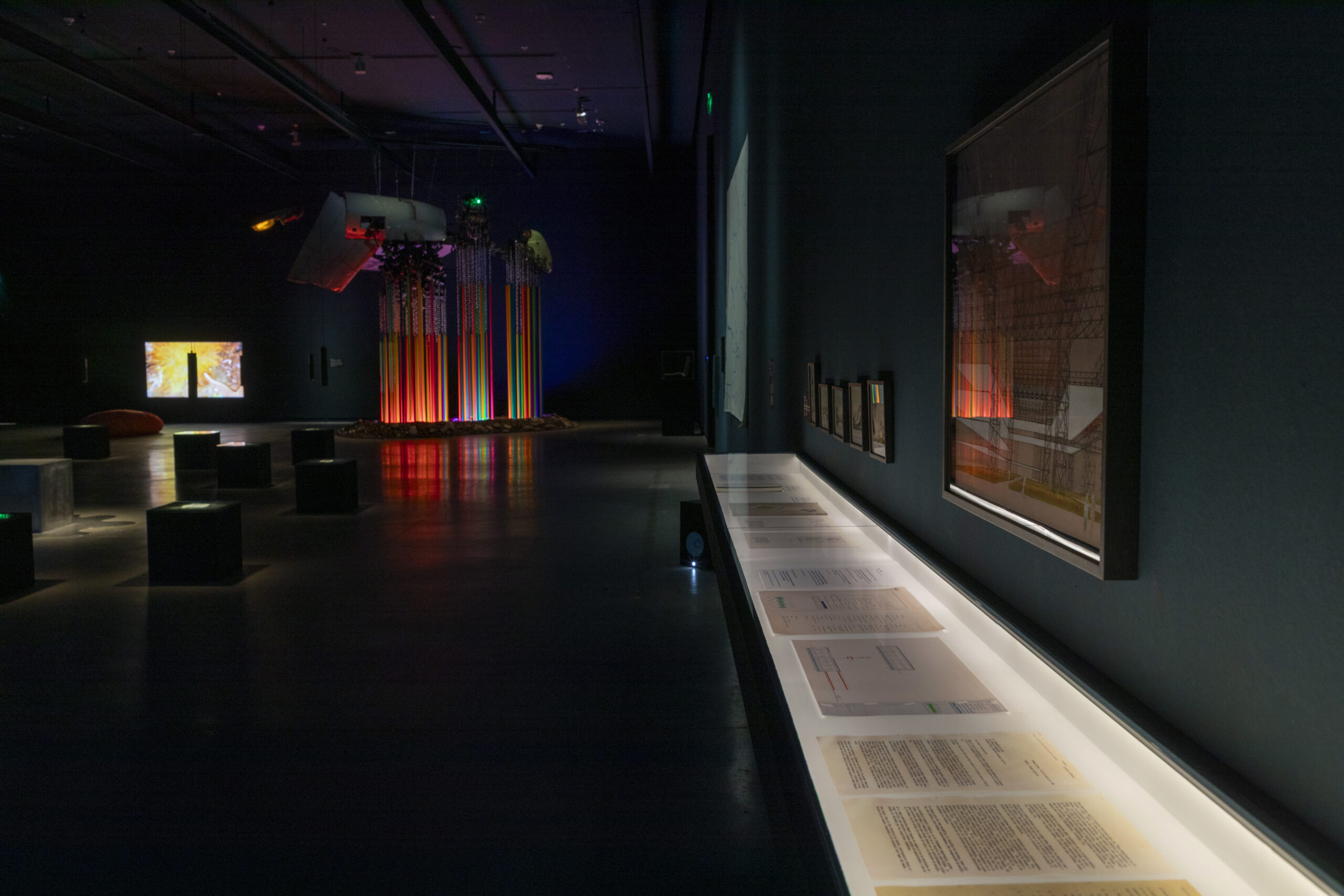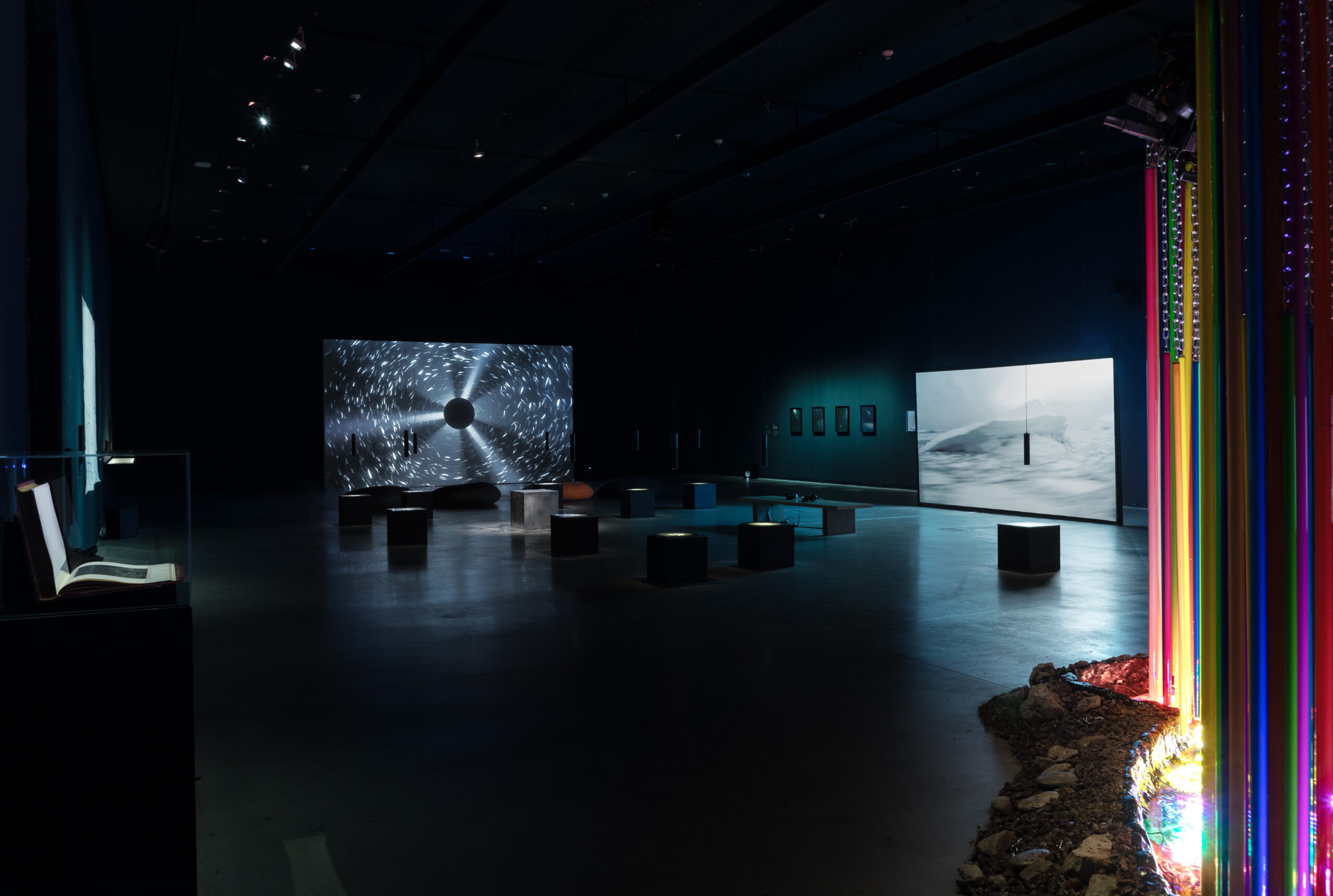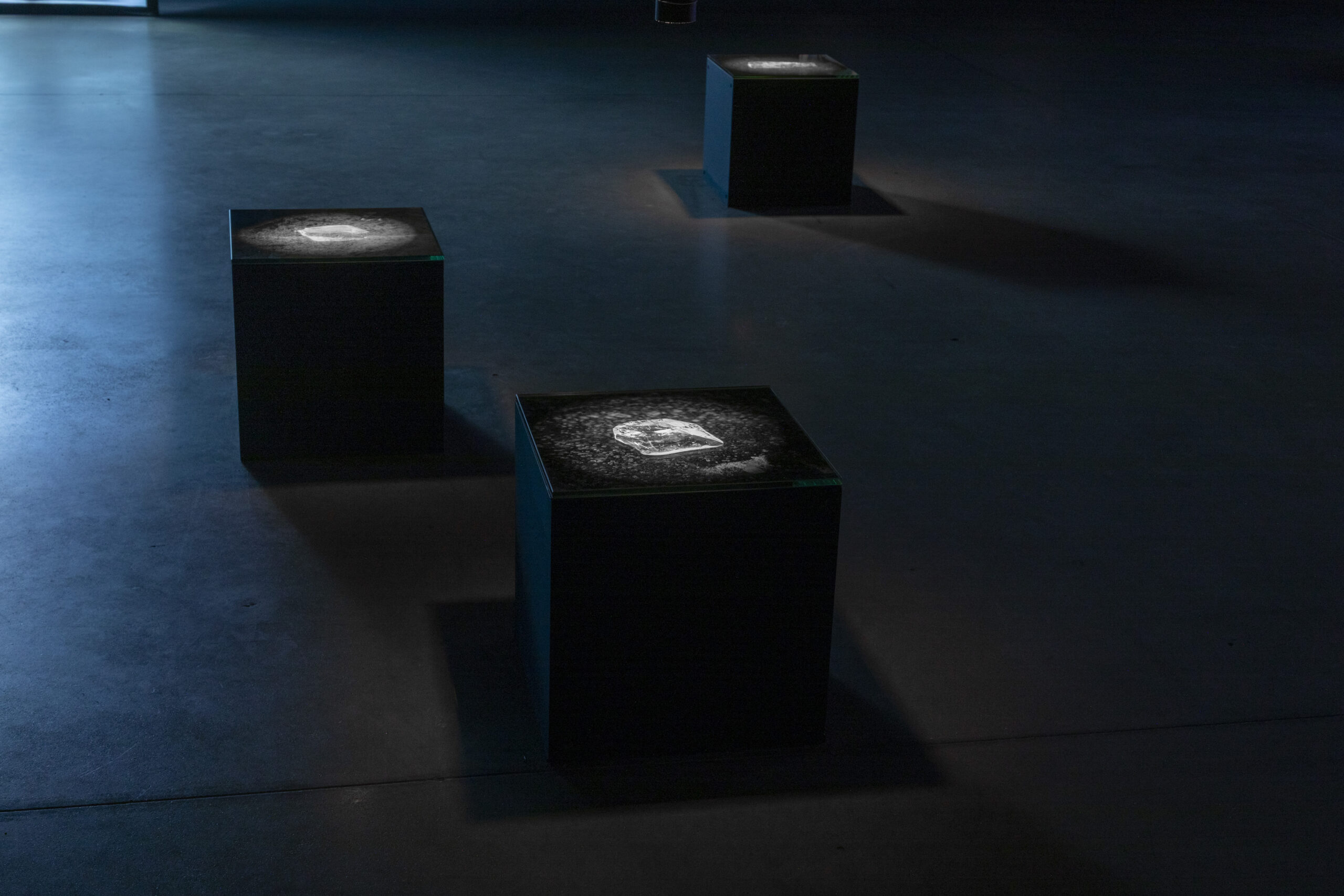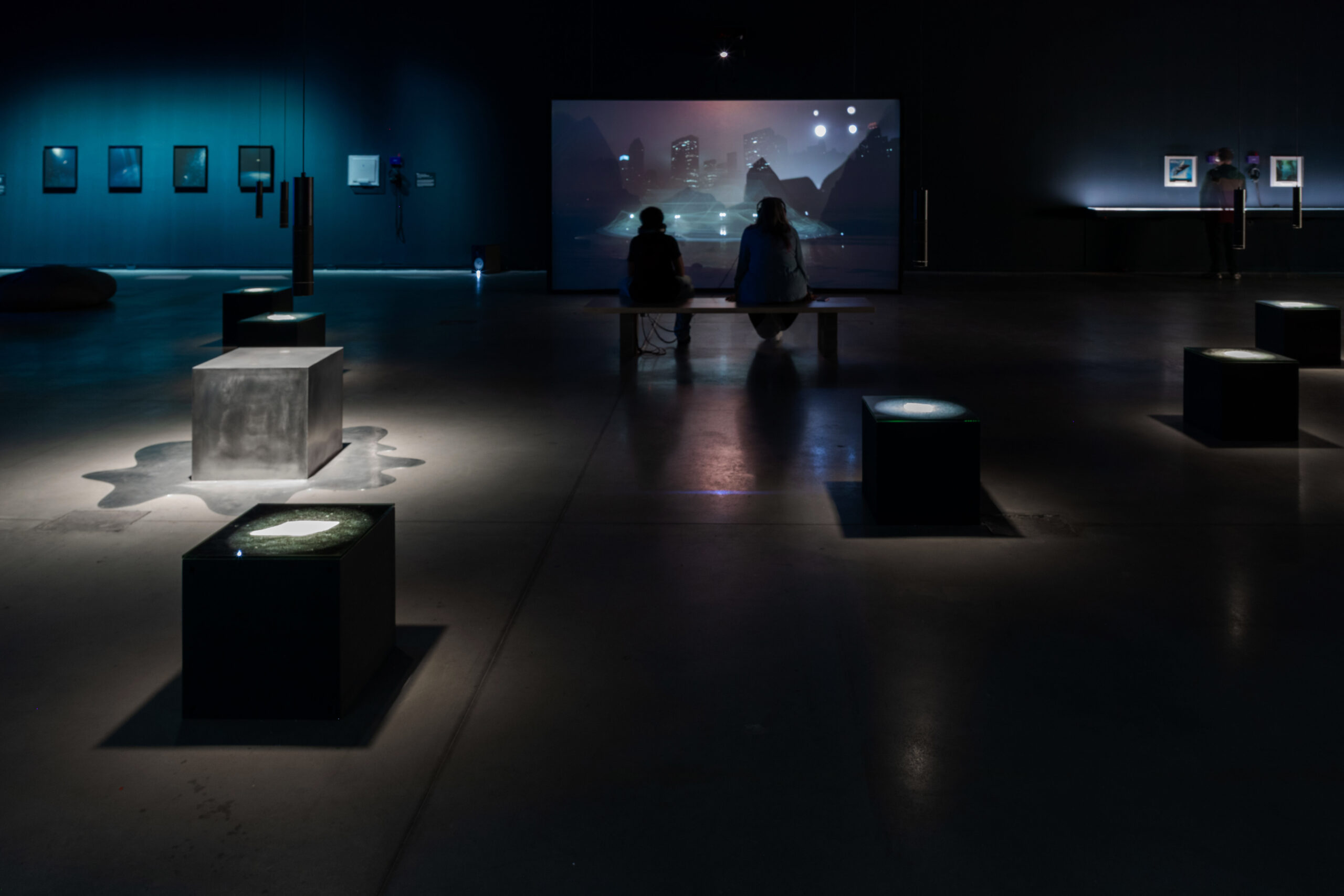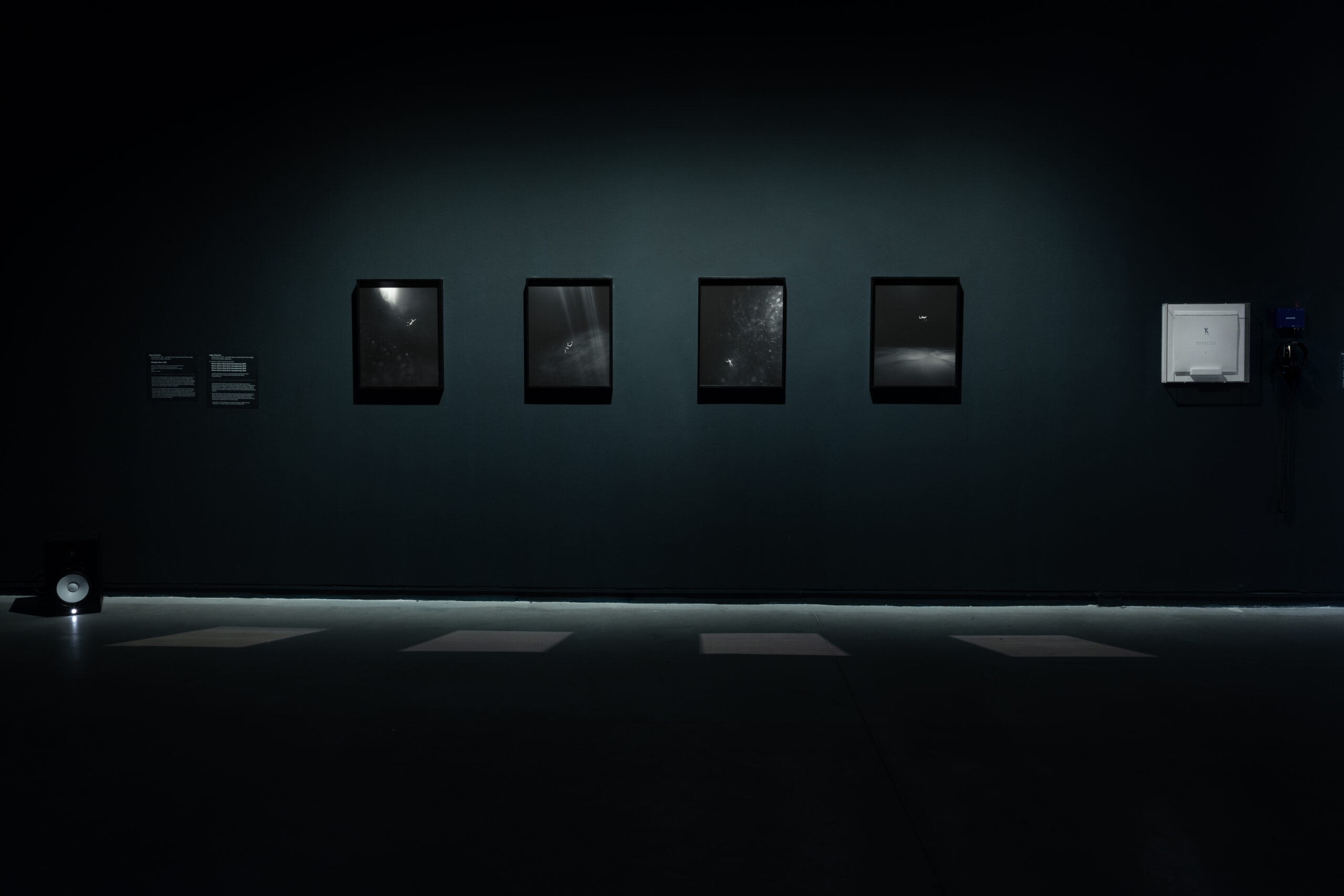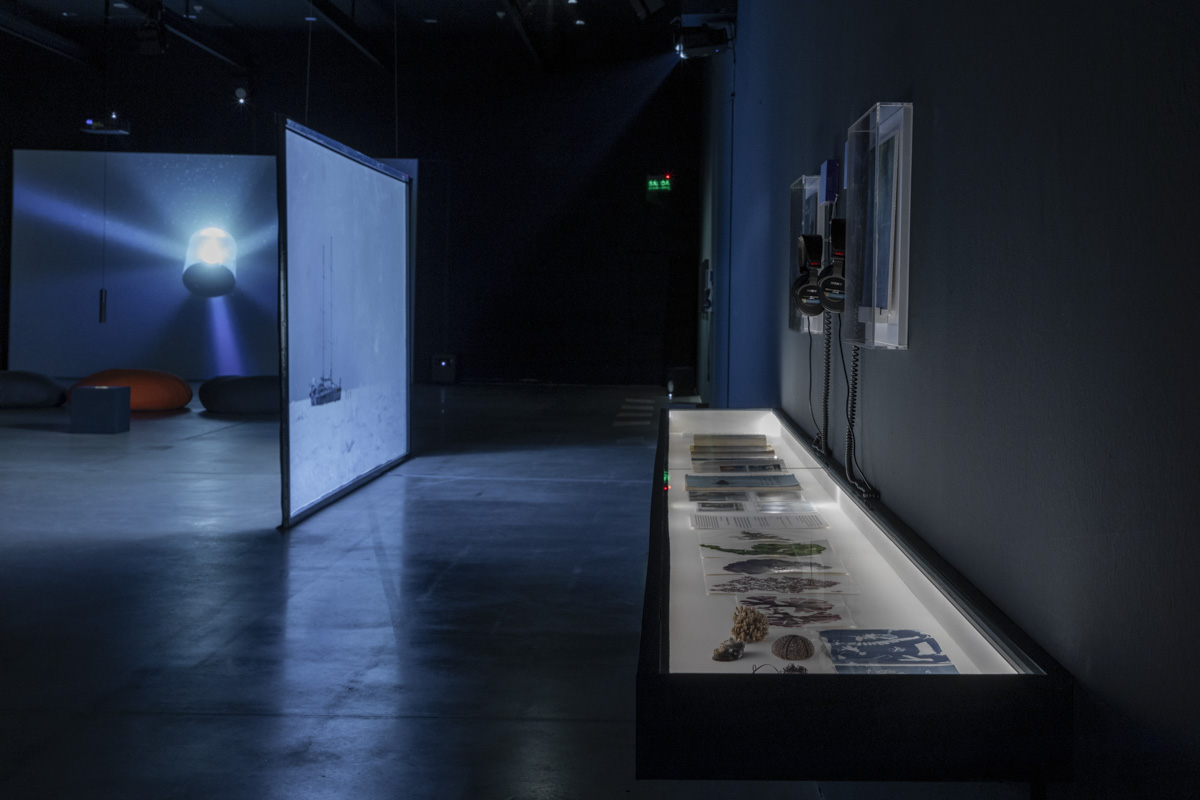

Océano interior [The Ocean Within] invites you to venture into the deep. This immersive oceanic journey presented as an encounter with the most remote and the most intimate takes you through polar landscapes and eternal ice fields – well beyond the continental shores – towards the unknown that dwells within ourselves.
An archipelago of works emerges, revealing fantastical habitats and abyssal geologies. From kelp forests to southern landscapes where life and planetary memory persist, the ocean appears as an archive of ancestral technologies. It is here where the earliest metamorphoses of life took place and where future transformations will unfold. Bioluminescent creatures, invisible currents and submerged worlds reawaken a primordial sense of wonder, capable of transforming our way of seeing, feeling and thinking. Immense bodies of water offer a territory to be discovered, where our fascination can open the door to imagine more empathetic and complex forms of life.
In a context of increasing exploitation of marine ecosystems, Océano interior advocates for imagining creative responses to pressing questions, such as: how can we adapt to a changing environment? What can we learn from the species that inhabit the ocean? Listening to the rumblings of the ocean also involves allowing a space for pause, patience and deep empathy. In the midst of a moment in time that is saturated with urgency and fear, this exhibition proposes a new perspective; one in which we submerge ourselves and navigate other rhythms and states of matter through myths, narratives, stories of diasporas and scientific research which, thanks to the emotional power of the aesthetic experience, expand the boundaries of the known.

Glossary
Anthropocene: A proposed geological epoch that describes the impact of human activity on Earth, including changes to the climate, biodiversity, the oceans and the atmosphere.
Catabasis: In classical literature and mythology, this refers to the descent of a person into the underworld or a symbolic realm associated with death, depth and transformation.
Engineering species: Organisms that create, modify or maintain habitats, altering the physical, chemical or biological components of the environment.
Hydromancy: A form of divination that predicts the future or interprets hidden messages through observing water.
Ice cores: Core samples extracted from glaciers or ice sheets that preserve records of the climatic and atmospheric conditions from past eras.
Midnight Zone: An area of the ocean situated at depths of approximately 1,000 to 4,000 metres, characterised by the complete absence of sunlight, low temperatures and high pressure.
The Middle Passage: This was the main route of the transatlantic slave trade, along which millions of Africans were transported in inhumane conditions from Africa to the Americas.
More-than-Human Communities
Movimiento Habitar las Algas and the Instituto de Conservación de Ballenas are two organisations that explore the South Atlantic Ocean through science and art, promoting nature conservation and developing new ways for human beings to coexist with other forms of life. Both experiences exemplify ways of approaching the ocean with greater empathy. In order to discover other ways of living, we must immerse ourselves and imagine new ‘multi-species’ relationships grounded in the interplay of technology, creativity and ethics.
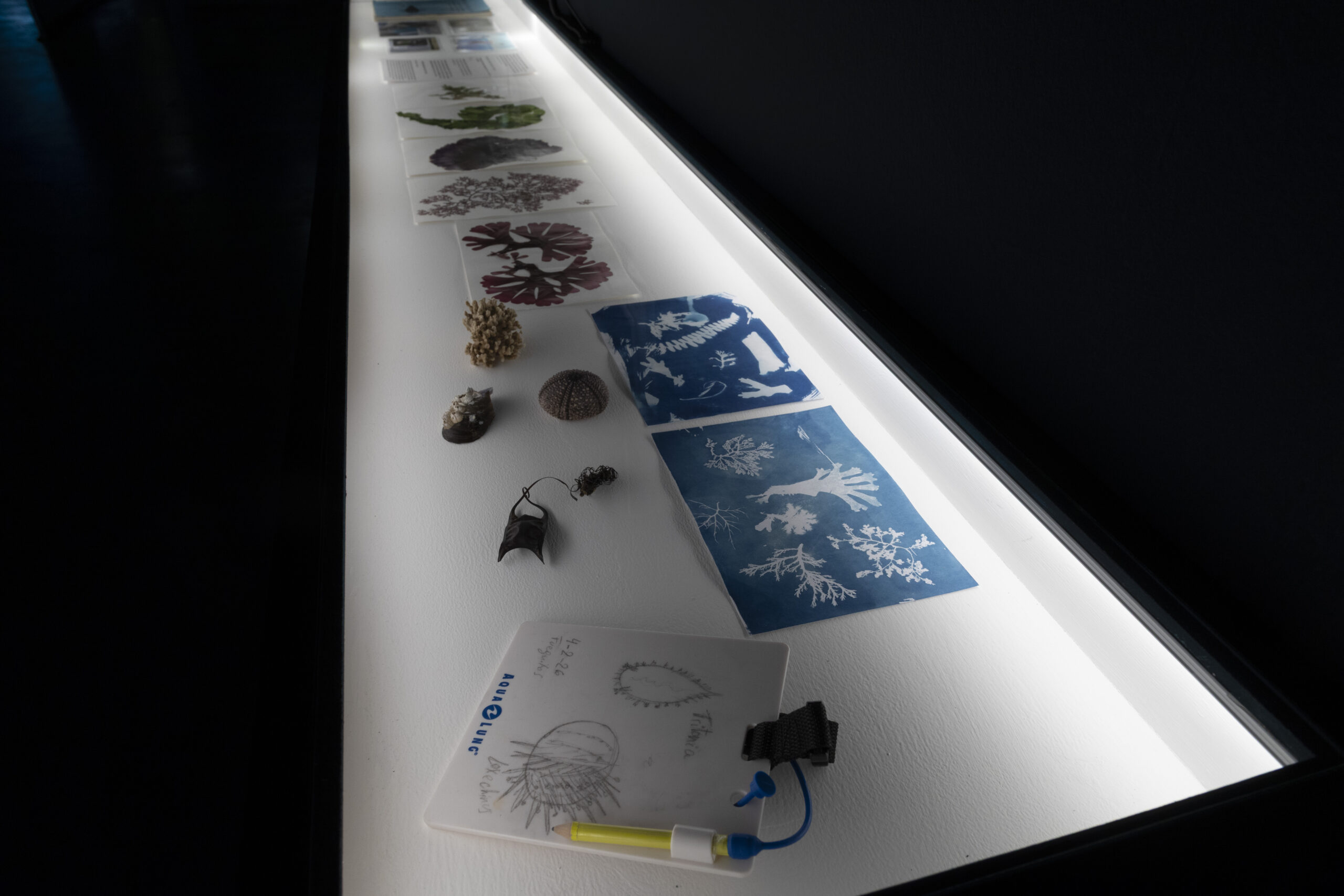
The Movimiento Habitar Las Algas collective brings together researchers from different organisations within the Argentinian scientific community, such as the Institute of Marine Biology (IBIOMAR) and the Southern Centre for Scientific Research, both of which are CONICET research units. The collective has explored the underwater seaweed forests of Patagonia over the course of two different residencies. Working at depths of up to 20 metres, the collective records interactions between species, through drawings, herbariums and specimens, cyanotype photographs and soundscape recordings.
Meanwhile, inspired by the work of biologist Roger Payne in the Valdés Peninsula, the Instituto de Conservación de Ballenas has carried out an important scientific research and environmental education programme since 1995. Using airplanes and drones for photo-identification, the team studies each whale as a member of a complex ecological network. This is where ‘deep time’ research – which traces the millions of years they have lived in the oceans – intersects with their present-day reality, in which they are affected by the human exploitation of the seas.
Destination: Antarctica
Science, art and ecology come together in these three very different projects. Each offers a glimpse of a different way of inhabiting and transforming the world and how these can contribute to the current debates on the future of our relationship with the planet.
Southern Argentina Expedition
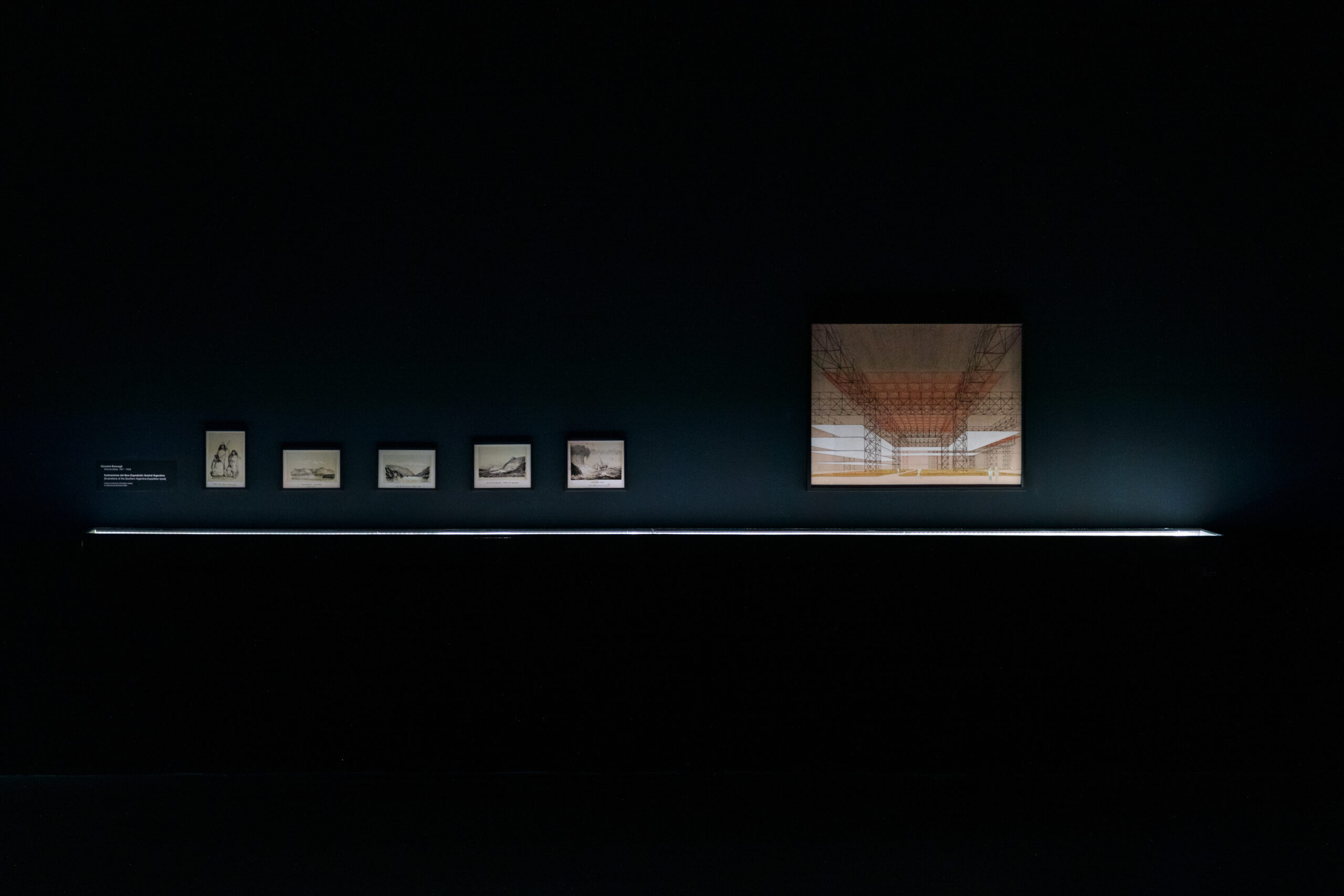
As part of the expansionist policy implemented by the Argentinian state during the Campaña del Desierto [Desert Campaign] (1878–1885), the Expedición Austral Argentina [Southern Argentina Expedition] (1881–1882) marked the beginning of national scientific exploration in the far south. Led by Giacomo Bove and Luis Piedrabuena, the expedition included naturalists such as Giovanni Roncagli, who documented the voyage, producing illustrations of the social and physical geography of the southern seas.
Amancio Williams
A century later, architect Amancio Williams (Buenos Aires, 1913-1989) was commissioned by the Army Antarctic Command to design a utopian city on the Antarctic Peninsula (1980). Inspired by utopian communities of the early 20th century – but adapted for an extreme environment – he envisioned a self-sufficient city complete with electric transport, utilities and environmental control systems.
Carlos Ginzburg
Just a few years earlier, the artist Carlos Ginzburg (La Plata, 1949) used images, texts and everyday materials to create his work 10 ideas de arte pobre [10 Ideas for Arte Pobre] (1971), in which he conceived collaborative projects involving human, plant and mineral forces to intervene in Argentina’s geographical environment.
Artists, architects and scientists: Erica Bohm (Argentina, 1976), Giacomo Bove (Italia, 1852) & Giovanni Roncagli (Italia, 1857), Aurora Castillo (Argentina, 1987), Julian Charrière (Suiza, 1987), Jimena Croceri (Argentina, 1981), Gustave Doré (Francia, 1832), Drexciya, Carlos Ginzburg (Argentina, 1946), Max Hooper Schneider (Estados Unidos, 1982), Pierre Huyghe (Francia, 1962), Instituto de Conservación de Ballenas, Movimiento Habitar Las Algas (SOA Argentina, CONICET, Oceanar, Kalfu Mapu, Marea Sintiente, UTN, UNTDF, Ecocentro), Roger Payne (Estados Unidos, 1935), Juan Pablo Renzi (Argentina, 1940) and Amancio Williams (Argentina, 1913)
Curated by: Alfredo Aracil, in dialogue with Victoria Noorthoorn and Patricio Orellana
Museum Design: Iván Rösler
General Coordination: Agustina Vizcarra and Noelia Magnelli
Production: Laura Roldán
Technical coordinator: Guillermo Carrasco
Installation coordinator: Germán Sandoval
The exhibition The Ocean Within is supported by the Embassy of the French Republic in Argentina.