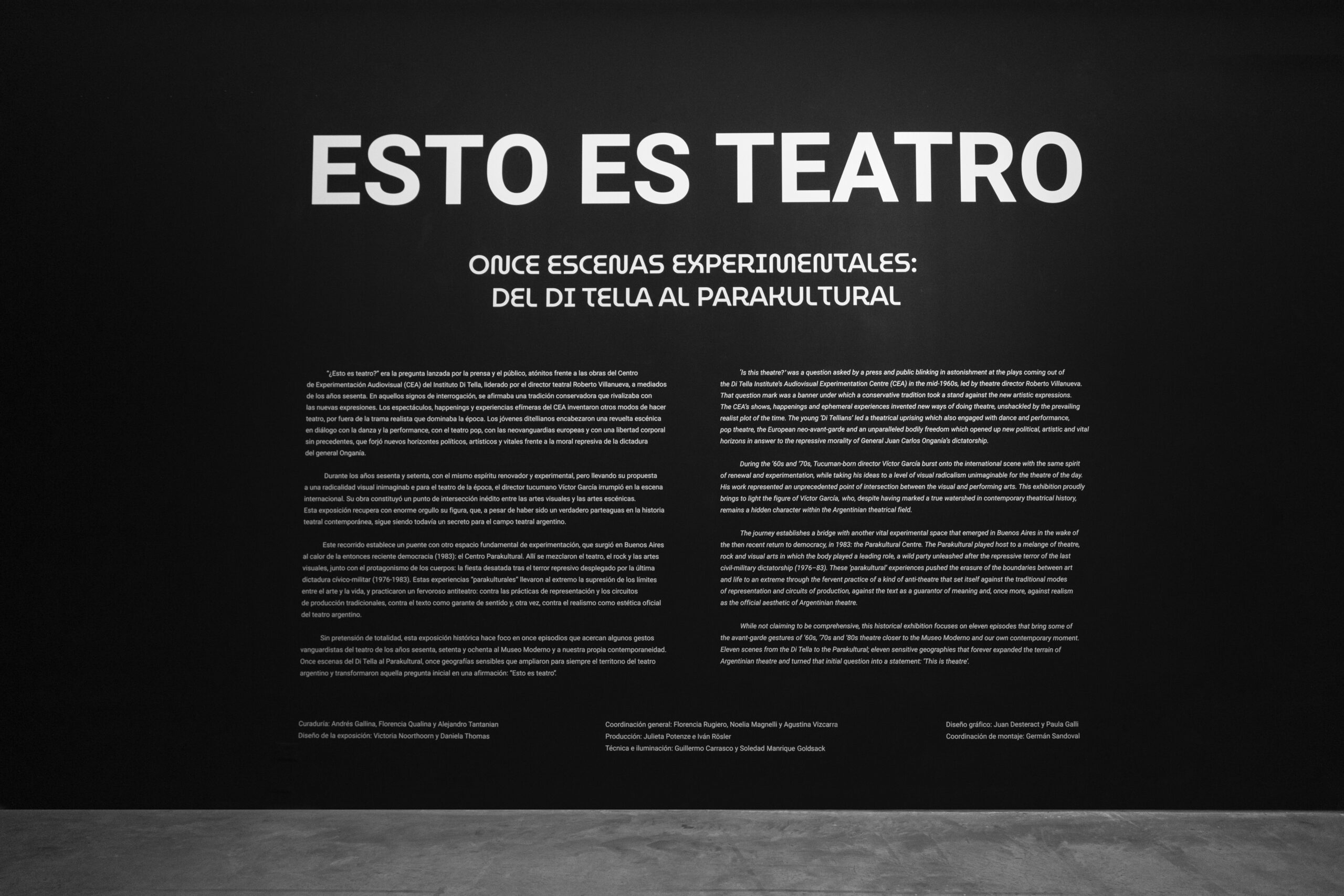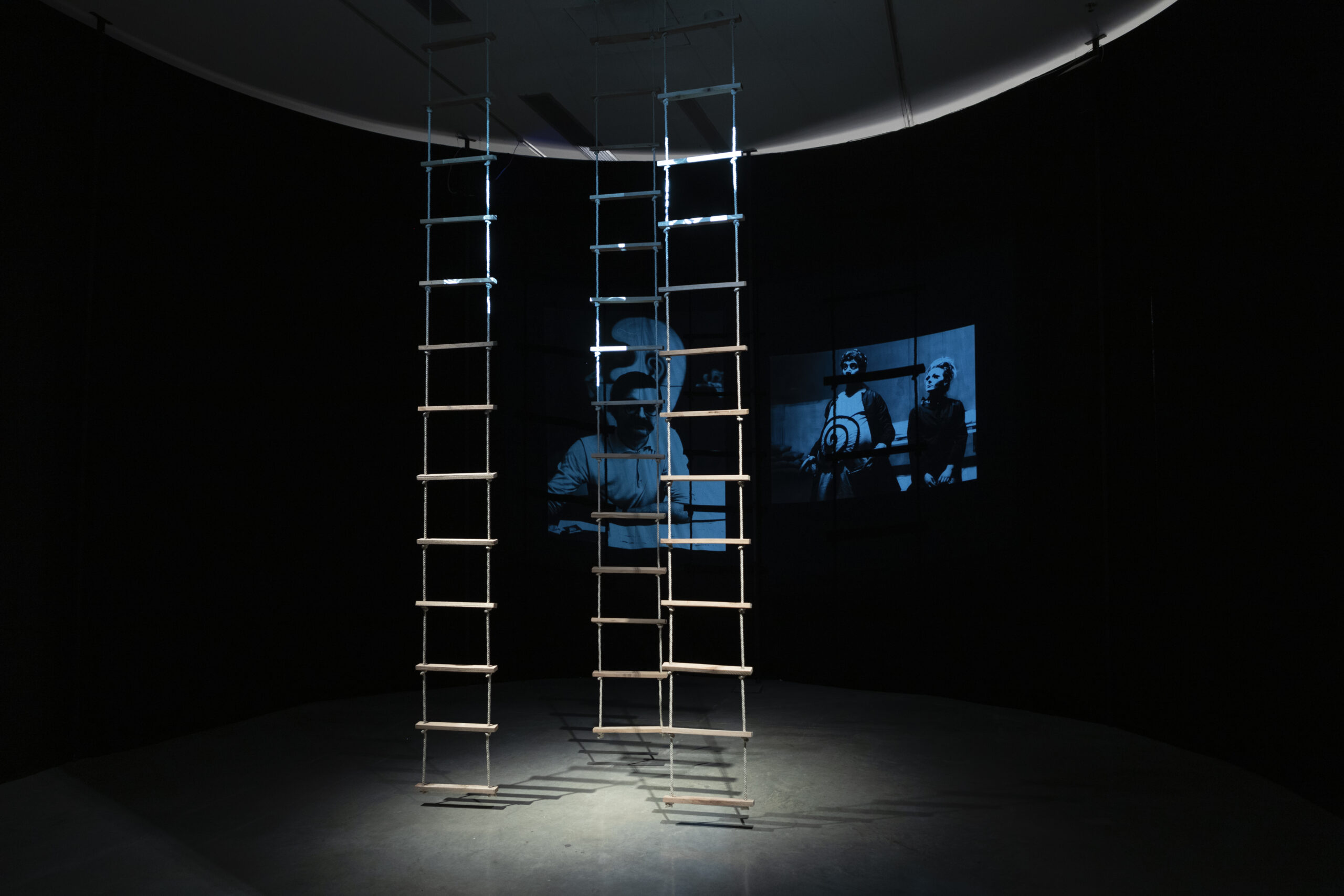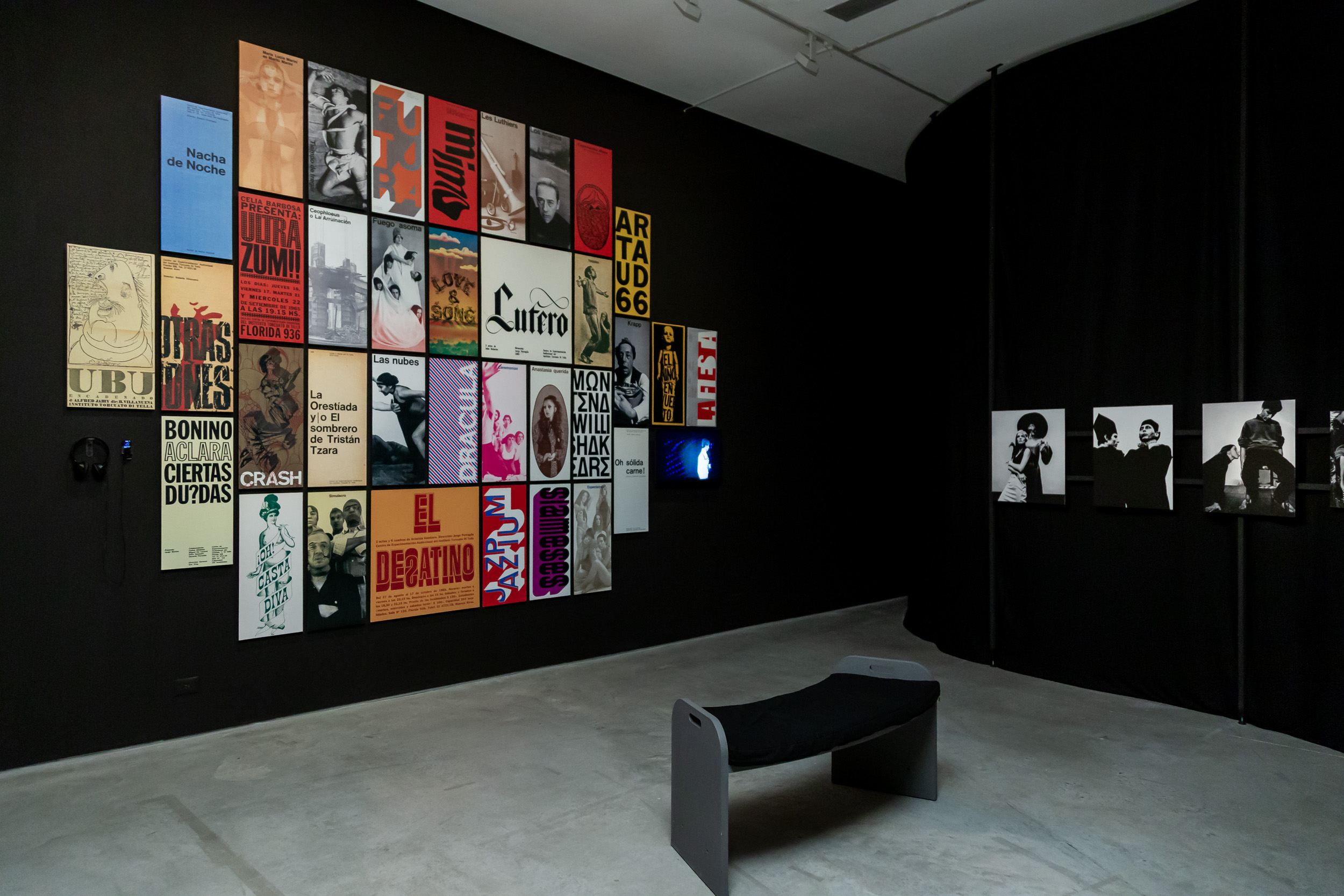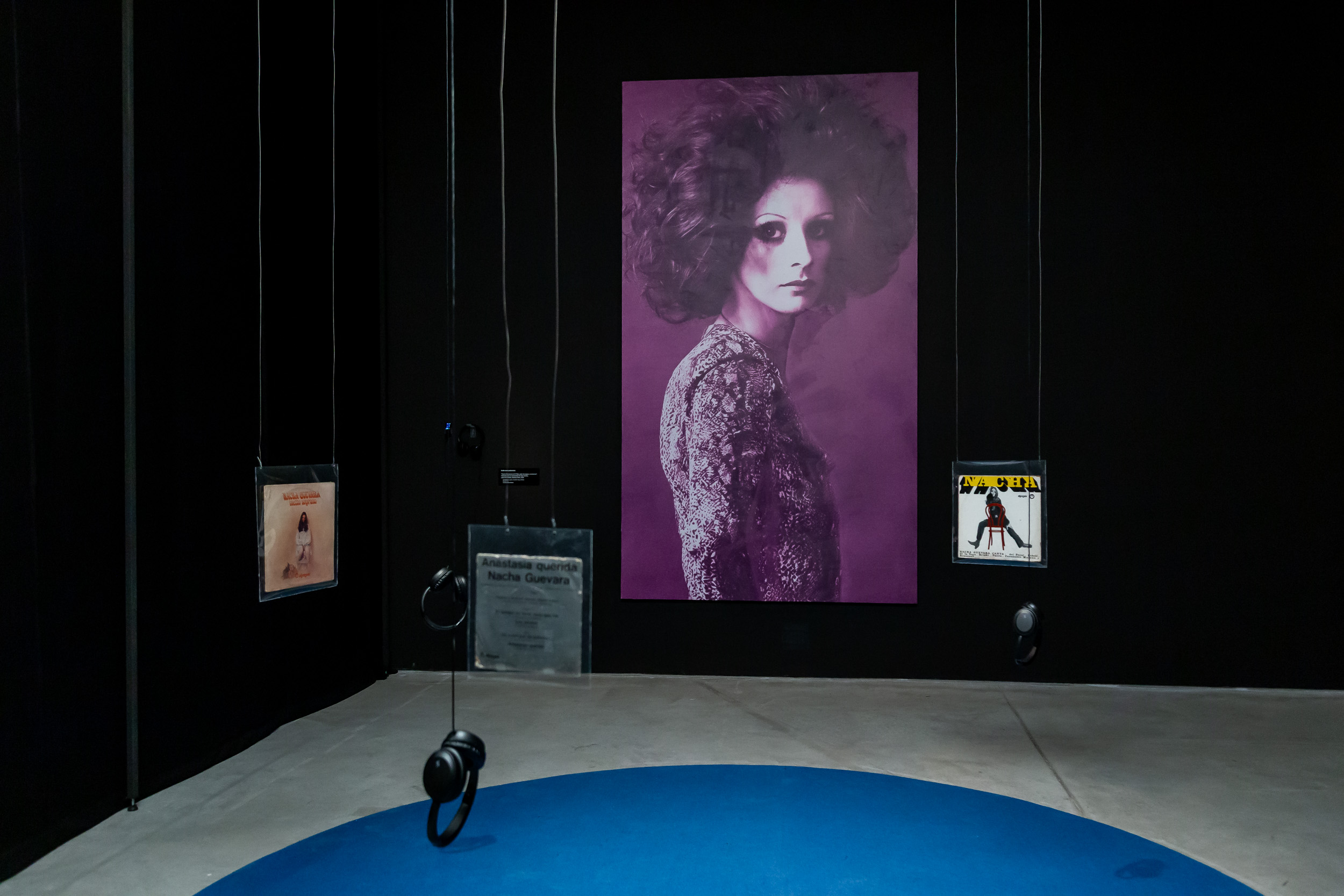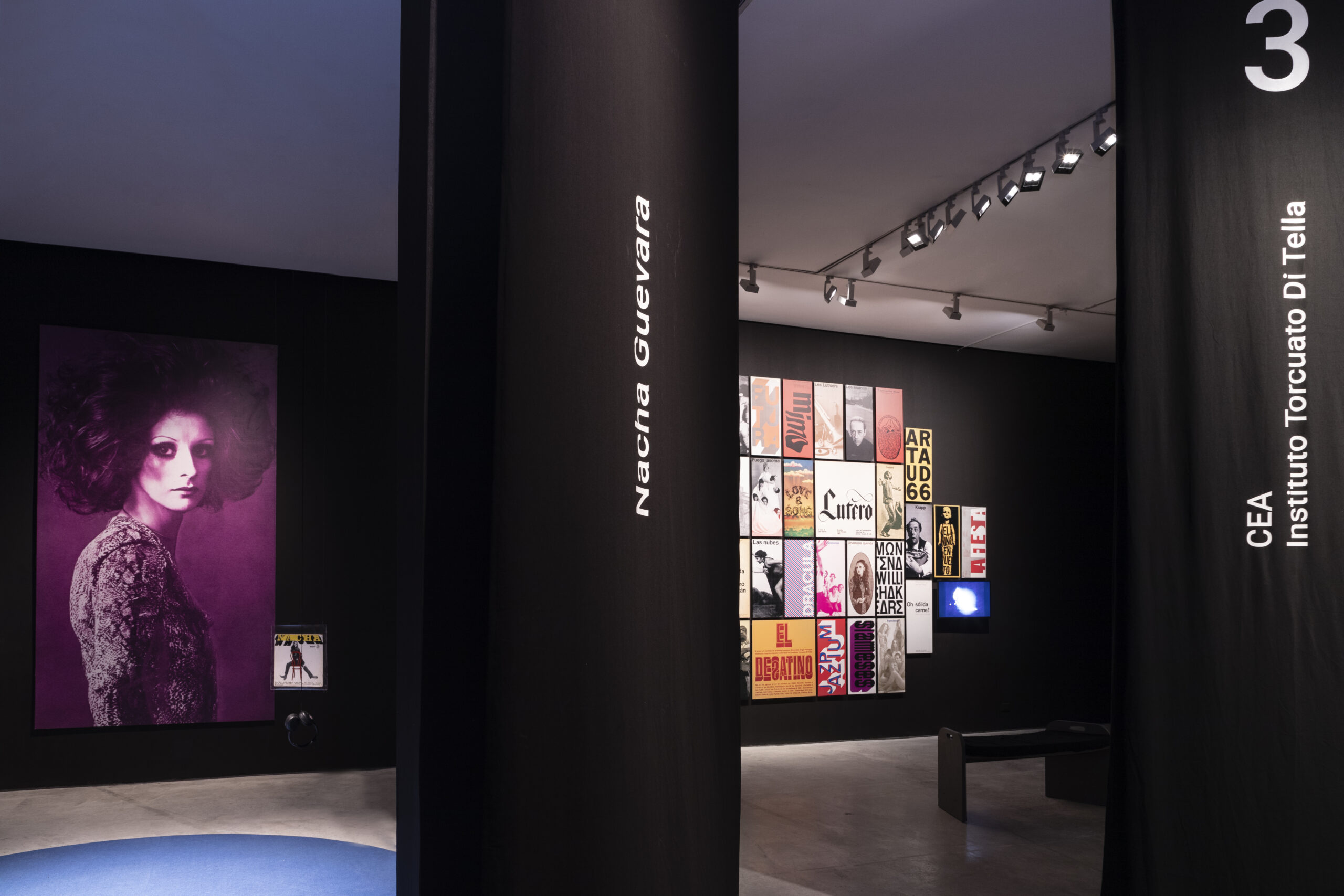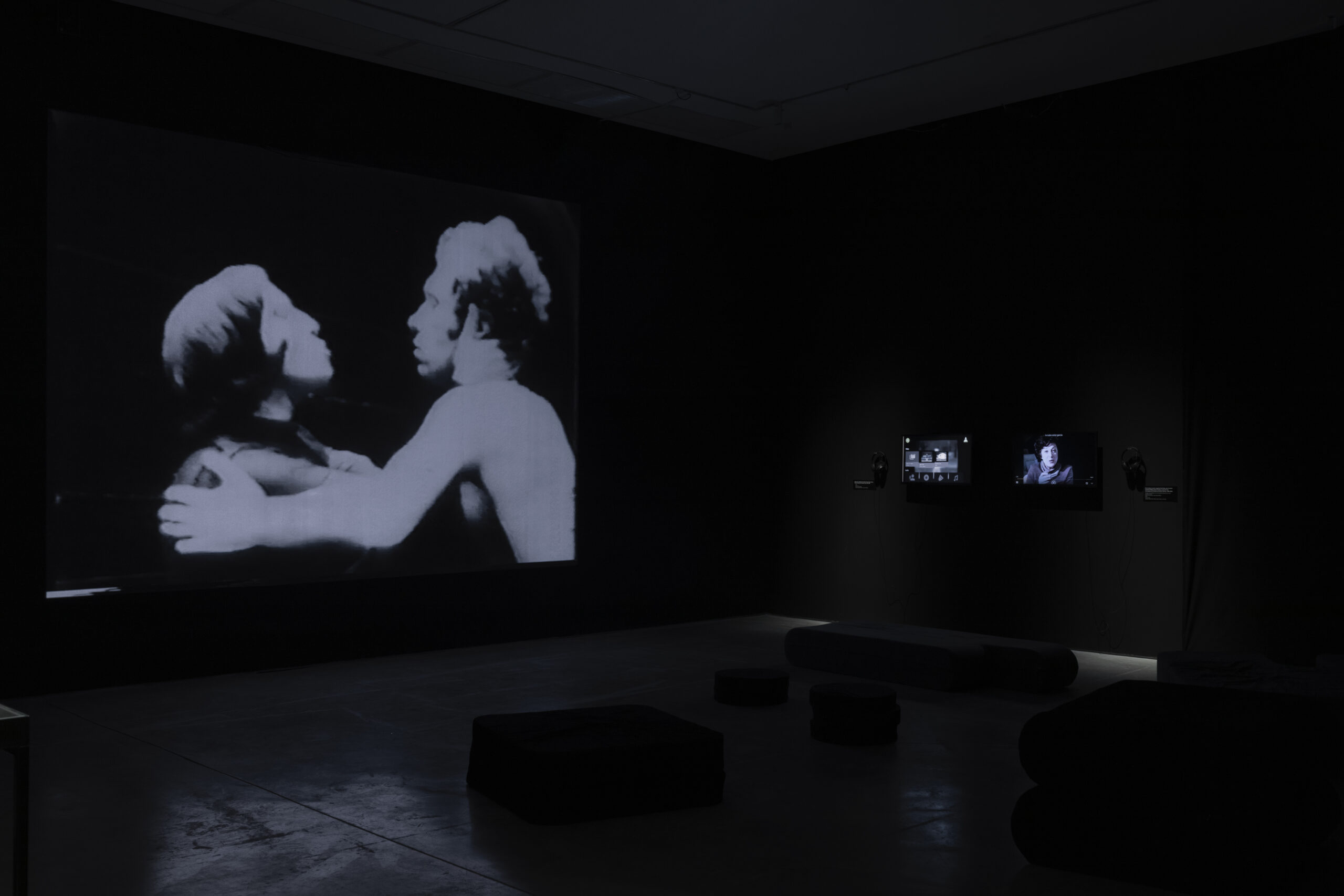


‘Is this theatre?’ was a question asked by a press and public blinking in astonishment at the plays coming out of the Di Tella Institute’s Audiovisual Experimentation Centre (CEA) in the mid-1960s, led by theatre director Roberto Villanueva. That question mark was a banner under which a conservative tradition took a stand against the new artistic expressions. The CEA’s shows, happenings and ephemeral experiences invented new ways of doing theatre, unshackled by the prevailing realist plot of the time. The young ‘Di Tellians’ led a theatrical uprising which also engaged with dance and performance, pop theatre, the European neo-avant-garde and an unparalleled bodily freedom which opened up new political, artistic and vital horizons in answer to the repressive morality of General Juan Carlos Onganía’s dictatorship.
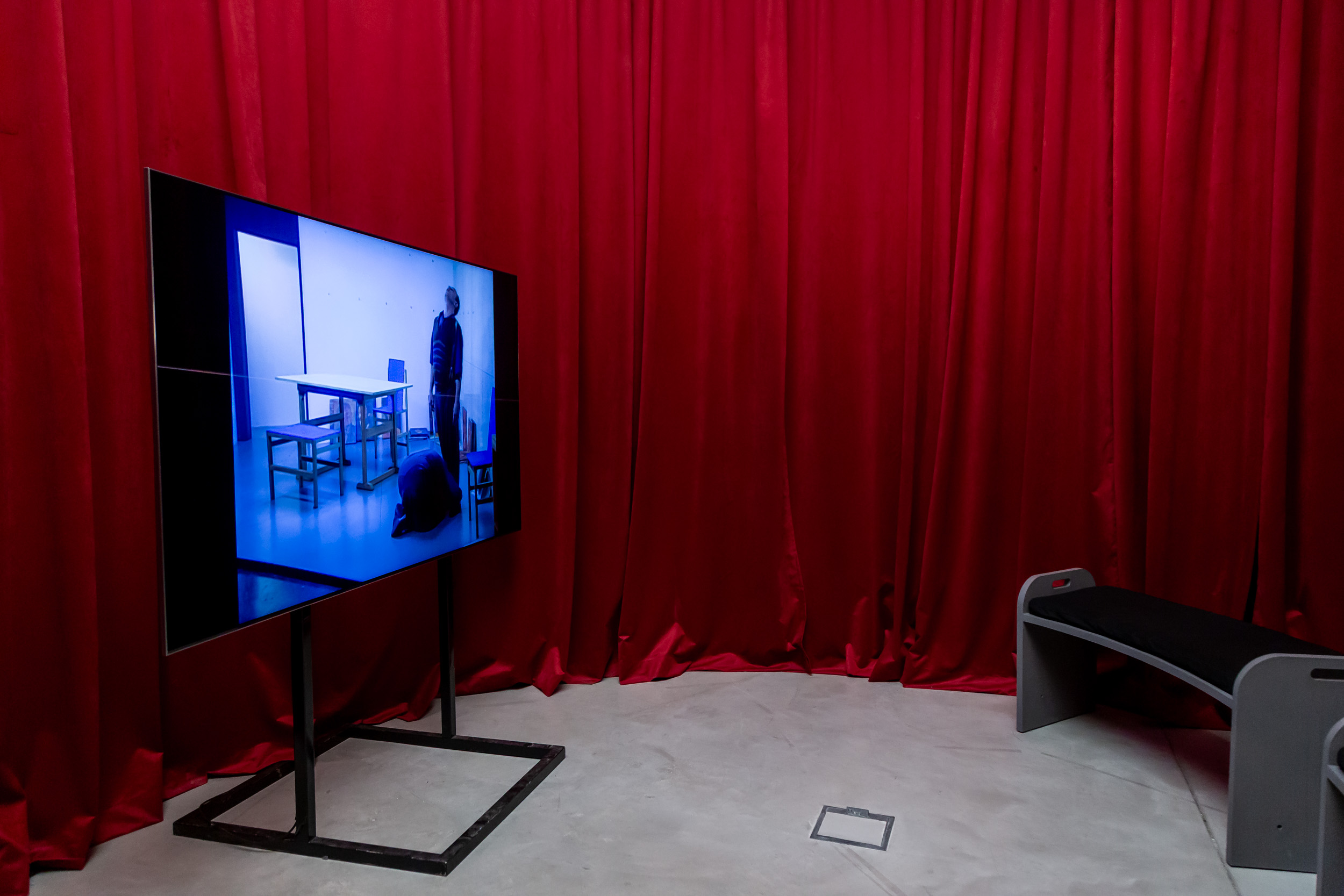
During the ’60s and ’70s, Tucuman-born director Víctor García burst onto the international scene with the same spirit of renewal and experimentation, while taking his ideas to a level of visual radicalism unimaginable for the theatre of the day. His work represented an unprecedented point of intersection between the visual and performing arts. This exhibition proudly brings to light the figure of Víctor García, Who, despite having marked a true watershed in contemporary theatrical history, remains a hidden character within the Argentinian theatrical field.
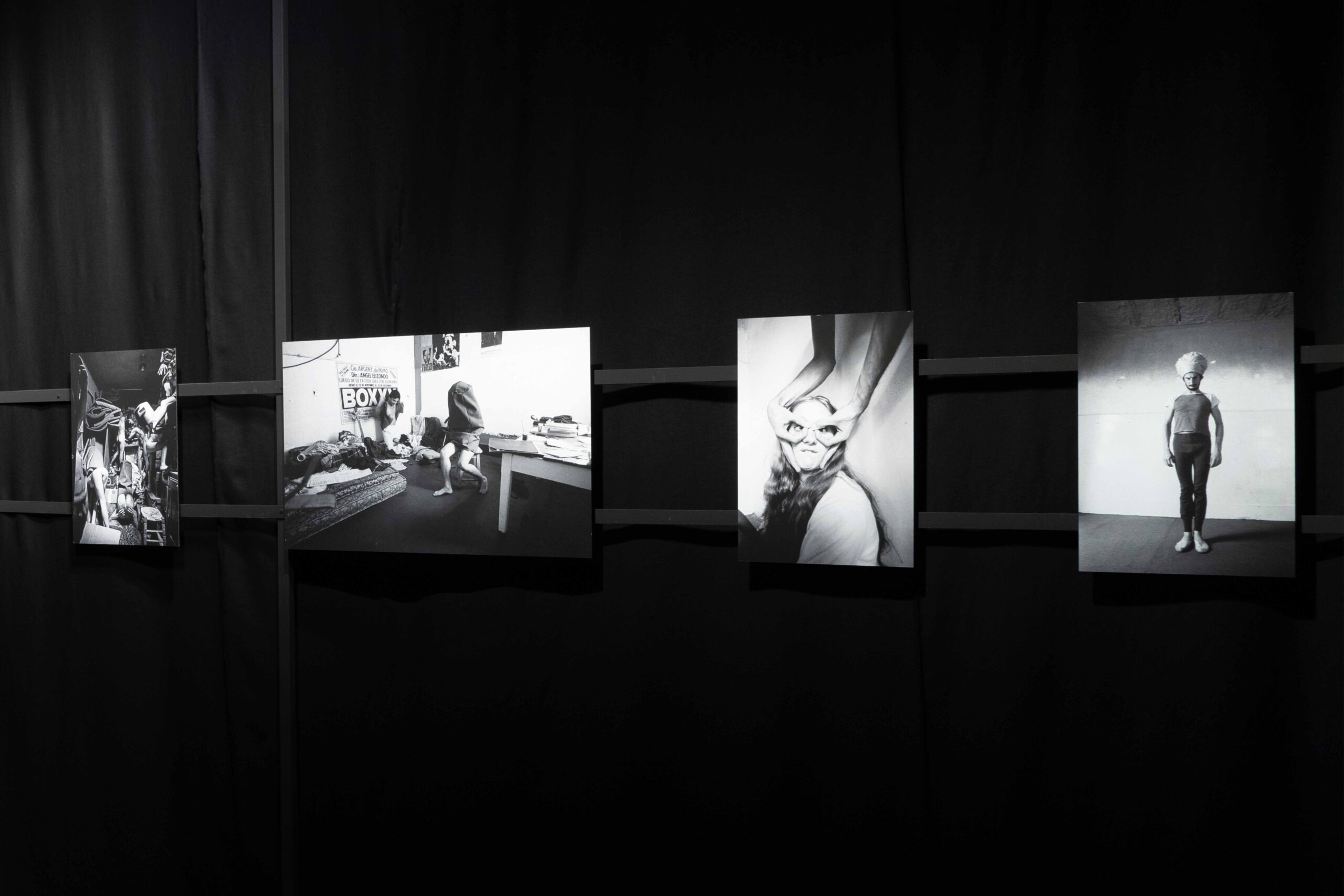
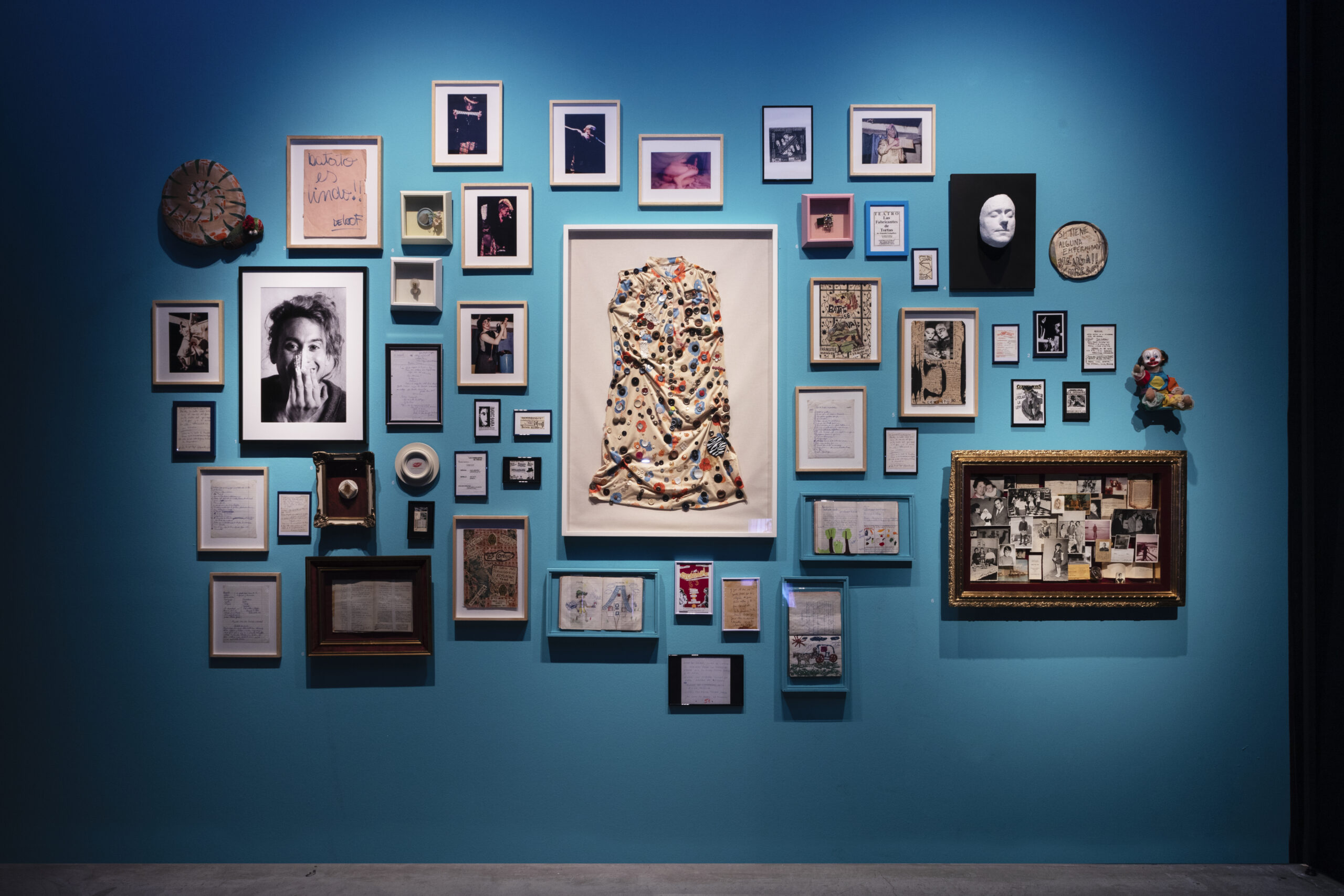
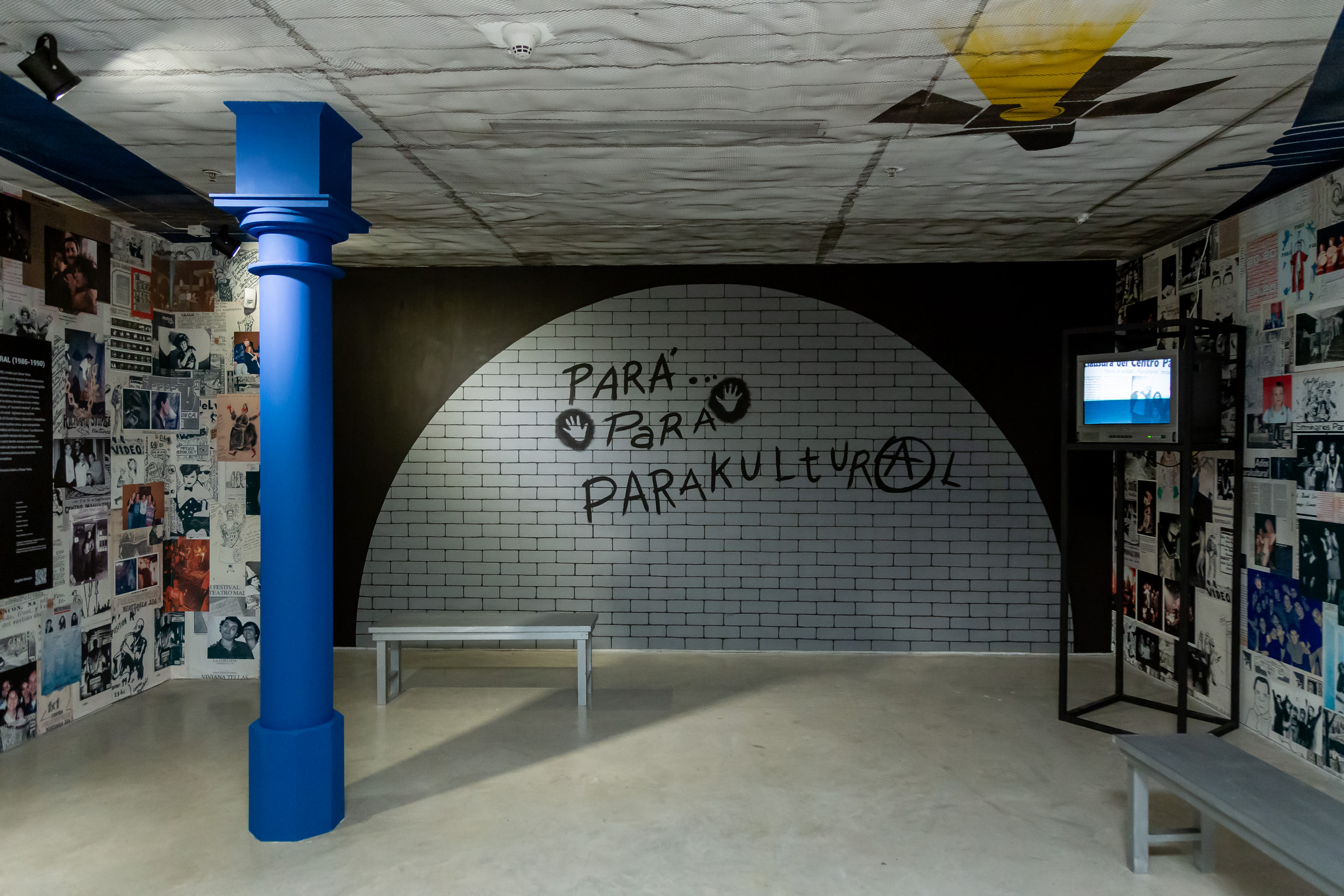
The journey establishes a bridge with another vital experimental space that emerged in Buenos Aires in the wake of the then recent return to democracy, in 1983: the Parakultural Centre. The Parakultural played host to a melange of theatre, rock and visual arts in which the body played a leading role, a wild party unleashed after the repressive terror of the last civil-military dictatorship (1976–83). These ‘parakultural’ experiences pushed the erasure of the boundaries between art and life to an extreme through the fervent practice of a kind of anti-theatre that set itself against the traditional modes of representation and circuits of production, against the text as a guarantor of meaning and, once more, against realism as the official aesthetic of Argentinian theatre.
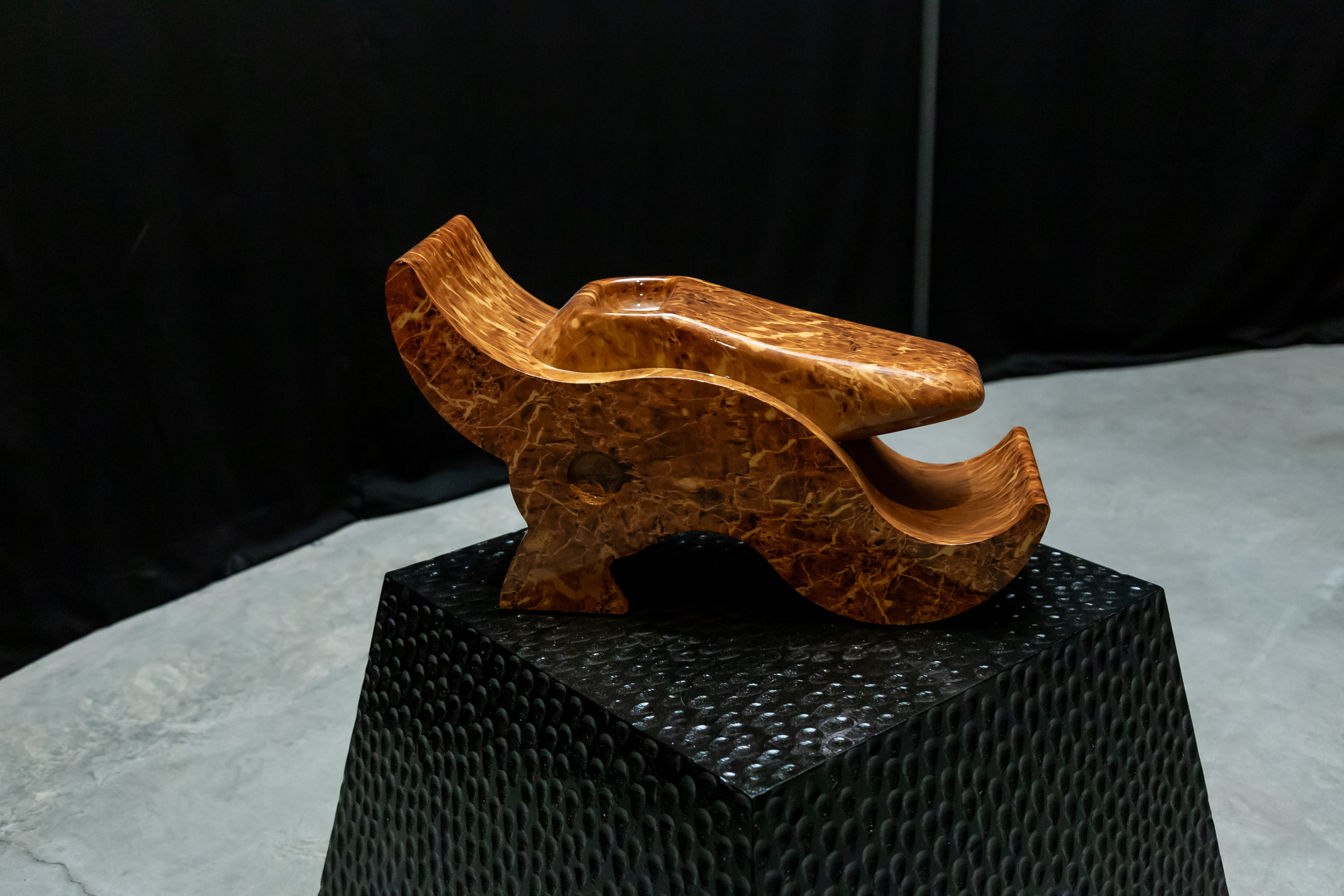
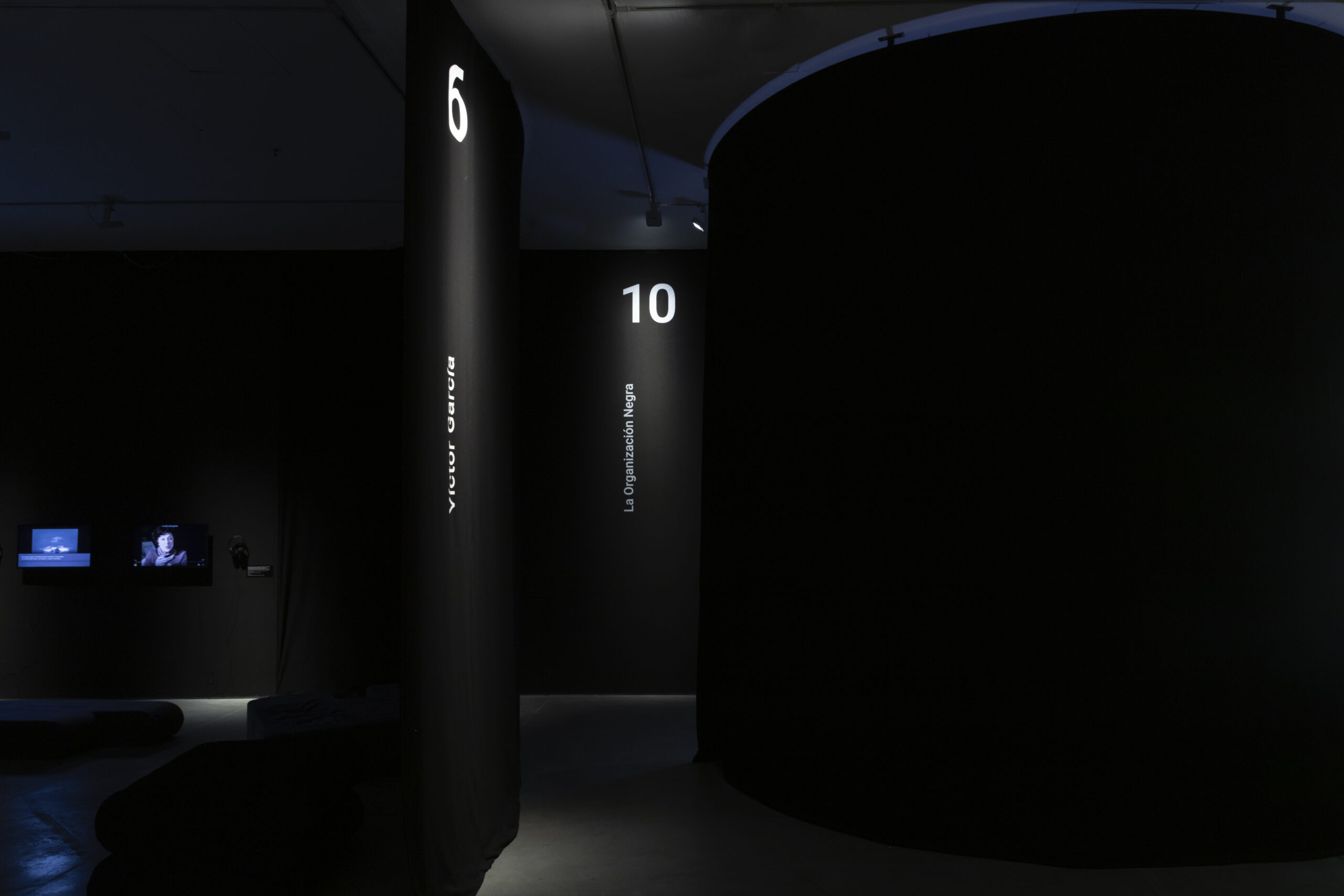
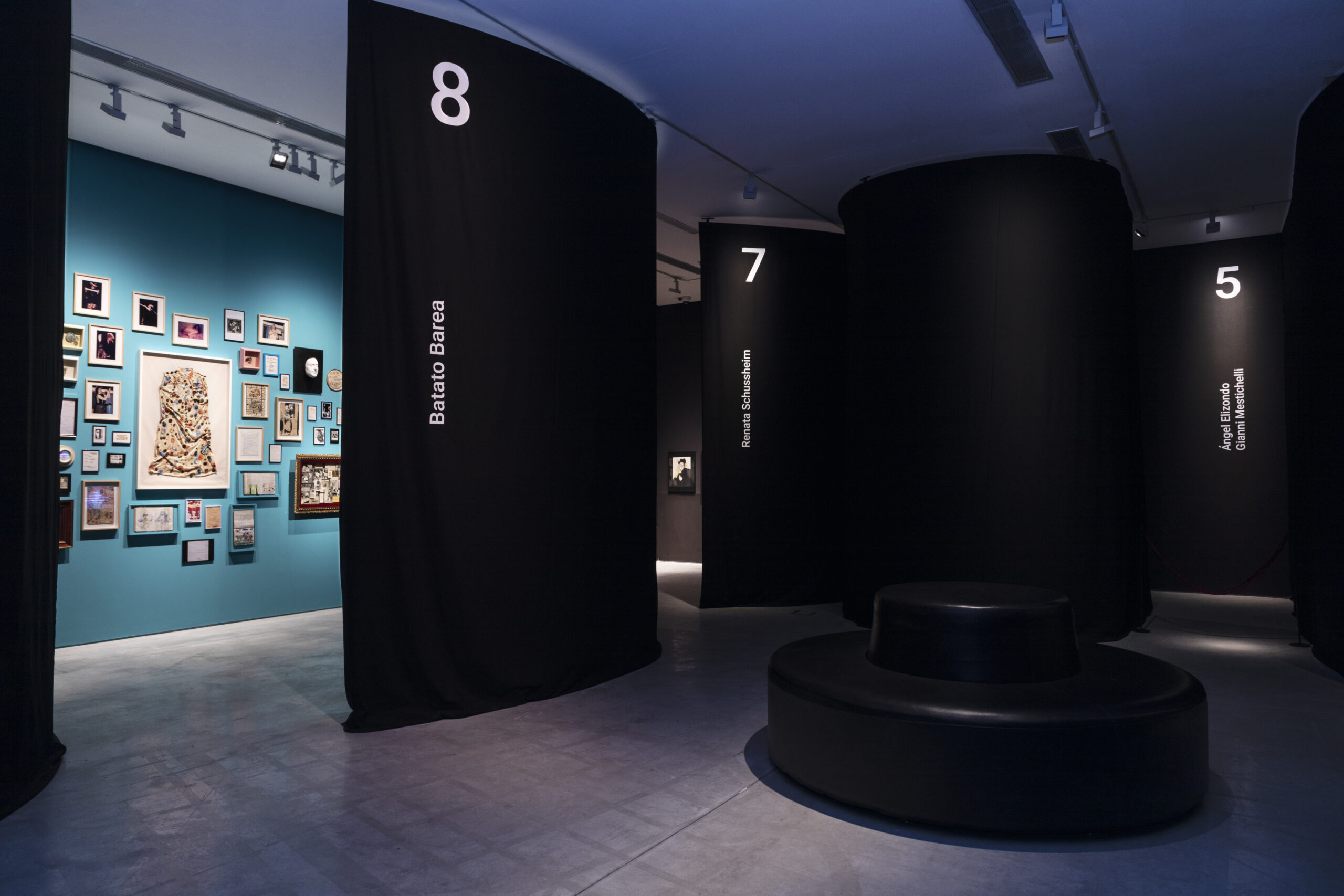
While not claiming to be comprehensive, this historical exhibition focuses on eleven episodes that bring some of the avant-garde gestures of ’60s, ’70s and ’80s theatre closer to the Museo Moderno and our own contemporary moment. Eleven scenes from the Di Tella to the Parakultural; eleven sensitive geographies that forever expanded the terrain of Argentinian theatre and turned that initial question into a statement: ‘This is theatre’.
Artists: Ezequiel Abalos, Juan Andralis, Guillermo Angelelli, Chela Barbosa, Andrés Barragán, Elba Bairon, Cristina Banegas, Batato Barea, Daniel Basso, Jorge Bonino, Compañía Ruth Escobar, Rita Cortese, Sergio De Loof , Juan Carlos Distéfano, Carolina Droeven, Ángel Elizondo, Montserrat Faixat Ensesa, Alberto Favero, Rubén Fontana, Horacio Gabin, Graciela Galán, Griselda Gambaro, Víctor García, Nacha Guevara, Pompi Gutnisky, Béatrice Heyligers, Kado Kostzer, Federico Jorge Klemm, Alejandro Kuropatwa, La Organización Negra, Djalma Limongi Batista, Derly Marques, Gianni Mestichelli, Guillermo Monteleone, Didier Montfajon, Rolando Paiva, Jorge Petraglia, Olkar Ramírez, Humberto Rivas, Adrián Rocha Novoa, Alejandro Ros, Tina Serrano, Renata Schussheim, Alejandro Urdapilleta, Roberto Villanueva, Natalia Villegas, Omar Viola, Laura Yusem, Rucu Zárate
Acknowledgments: Archivo Alejandro Kuropatwa, Archivo Batato Barea, Archivo Kado Kostzer, Centro de Documentación de Teatro y Danza del Complejo Teatral de Buenos Aires, Centro de Documentación de las Artes Escénicas y de la Música (España), Centro Cultural São Paulo (Brasil), Colección Fundación KLEMM, Galería Cosmocosa, Universidad Torcuato Di Tella, Museo del Cine Pablo Ducrós Hicken, Memorial da América Latina (Brasil), Mauro Ambroggio, Ezequiel Abalos, Guido Ast, Julieta Ascar, Elba Bairon, Carlos Belloso, Gabriela Borgna, Lidia Catalano, Teresa Costantini, Rita Cortese, Horacio Dabbah, Amparo Díscoli, Teo Díscoli, Andrea Distéfano, Ernesto Donegana, Damián Dreizik, Nuria Espert, Valeria Fiterman, Alejandra Flechner, Horacio Gabin, María José Gabin, Irina Garbatzky, Divina Gloria, Ignacio González, Malala González, Seedy González Paz, Pompi Gutnisky, Manuel Hermelo, Federico Kersner, Kado Kostzer, Liliana Kuropatwa, Alberto Ligaluppi, Verónica Llinás, Juan Carlos Malcún, Marilú Marini, Laura Markert, Gianni Mestichelli, Didier Montfajon, Cintia Mezza, Carlos Pacheco, Luna y Mateo Paiva, Sergio Pérez Fernández, Eugenia Pérez Tomas, María Fernanda Pinta, Juan Queiroz, Adrián Rocha Novoa, Cecilia Roth, Álvaro Rufiner, Renata Schussheim, Vivi Tellas, Lorena Verzero, Cecilia Vidaurreta, Liliana Viola, Rucu Zárate
Curated by: Andrés Gallina, Florencia Qualina and Alejandro Tantanian
Exhibition Design: Victoria Noorthoorn and Daniela Thomas
Production: Julieta Potenze and Iván Rösler
Lighting and Technology: Guillermo Carrasco and Soledad Manrique Goldsack
General Coordination: Florencia Rugiero, Agustina Vizcarra and Noelia Magnelli
Graphic Design: Juan Desteract and Paula Galli
Installation Coordination: Germán Sandoval